Ghetto Slang Words and Related Terms
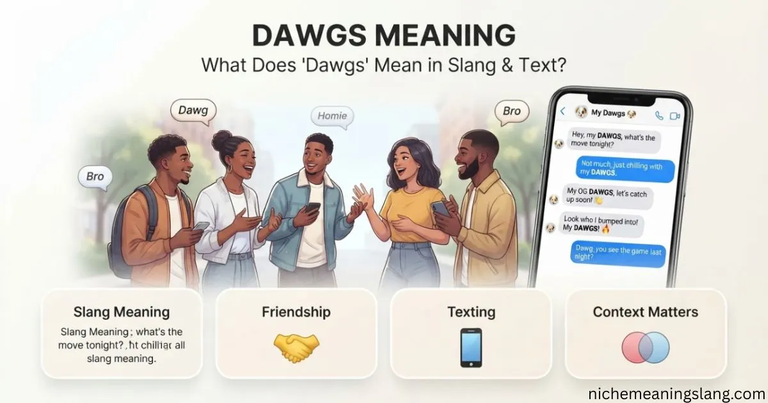
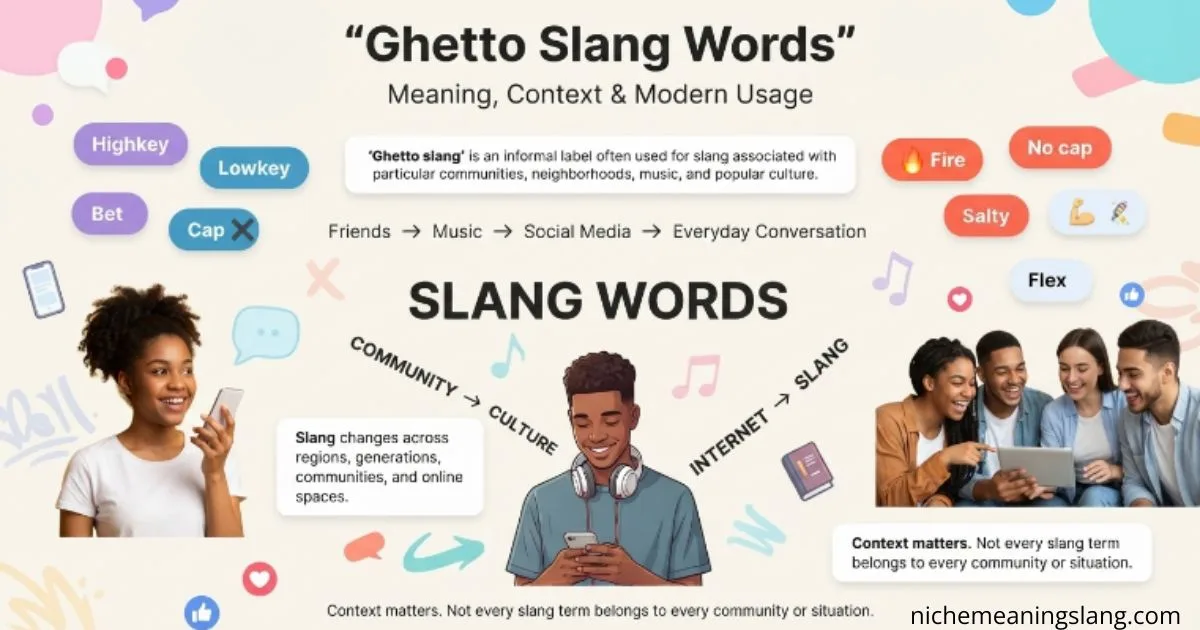
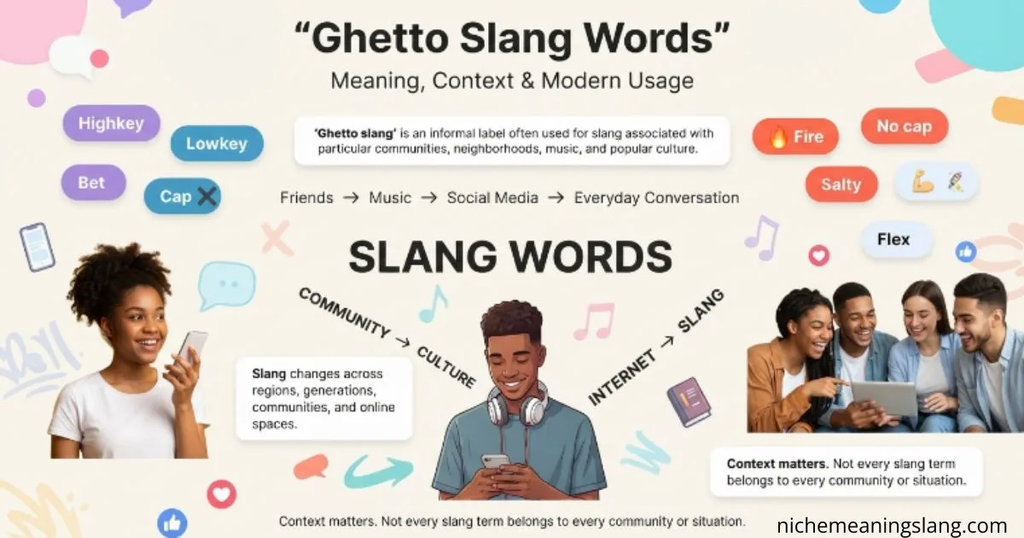
Ghetto slang words are informal expressions associated with particular communities, street culture, hip-hop, and evolving online language. If you’ve ever seen terms like lit, drip, cap, no cap, OG, fire, dope, or goated and wondered what they actually mean, context is the key. Slang can express excitement, approval, humor, identity, style, or attitude far more casually than standard English. Modern social media has also helped many expressions travel beyond their original communities.
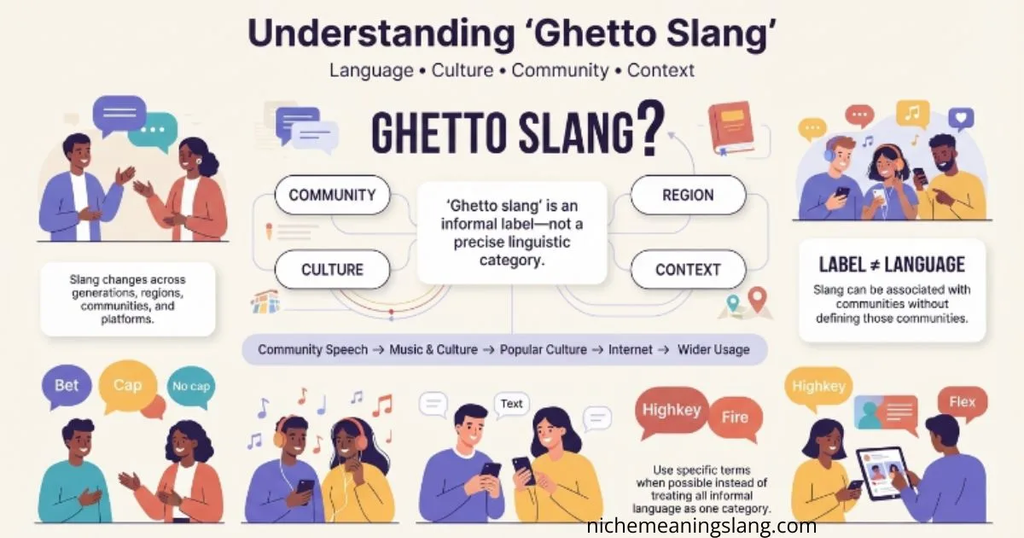
One important distinction matters, though: “ghetto slang” is a loose popular label, not a precise linguistic category. African American English is a systematic variety of English with its own vocabulary, grammar, pronunciation, and meaning patterns; it should not simply be reduced to slang.
Lit
Lit describes something exciting, energetic, or highly enjoyable. You might hear it for a party, concert, event, or memorable night: “That concert was lit.” The term became widely recognizable through youth culture, music, and online communication. Its tone is strongly casual, so it generally fits conversations with friends better than professional writing.
Drip
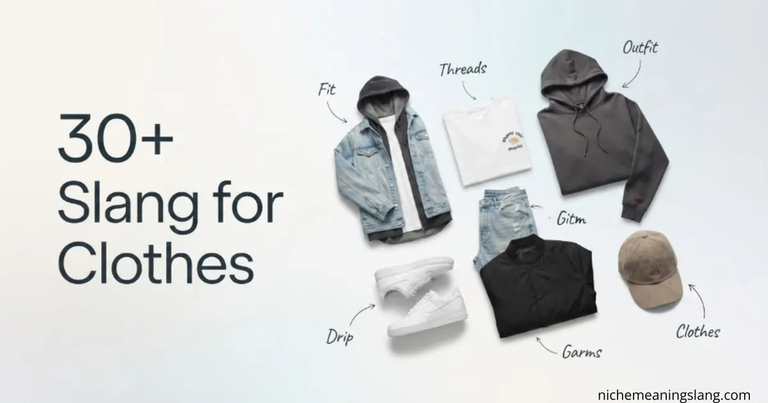
Drip refers to someone’s fashionable clothing or overall style. If someone says, “You’ve got drip,” they’re complimenting the person’s outfit, sneakers, accessories, or appearance. The word became especially visible through music, social media, and youth fashion culture. It is usually positive and works naturally in casual conversations about style.
Flex
Flex means showing off wealth, success, possessions, skills, or status. A person might post a new car and call it “a flex,” often humorously. Depending on context, flex can be complimentary, neutral, or slightly critical. The important semantic idea is displaying something impressive rather than simply owning it.
Cap
Cap means a lie, exaggeration, or false statement. If somebody makes an unbelievable claim and another person responds, “Cap,” they’re essentially saying, “That’s not true.” It is particularly common in casual digital communication and became strongly associated with contemporary internet and youth slang.
No Cap
No cap means “I’m being honest” or “I’m telling the truth.” Someone might say, “No cap, that was the best burger I’ve ever had.” The phrase emphasizes sincerity and contrasts with cap, which signals exaggeration or dishonesty. It is informal and best suited to relaxed conversations, posts, and messages.
OG
OG commonly describes someone respected, experienced, established, or regarded as an original. In music and street-culture contexts, calling someone an OG can communicate respect for their history or longevity. The expression has moved well beyond one community and is now recognizable across many areas of American popular culture.
Bussin
Bussin is generally used to praise food that tastes extremely good. “This chicken is bussin” means the speaker thinks the food is exceptionally delicious. Its popularity grew through online culture and short-form content. Because it is highly casual, it sounds much more natural among friends than in formal dining or professional writing.
Slaps
Slaps usually describes music that sounds excellent. Saying “This song slaps” means the track has a strong beat, energy, or overall appeal. It is especially common in conversations about music, playlists, performances, and online entertainment. The expression is positive, conversational, and distinctly informal.
Lowkey
Lowkey communicates that something is somewhat understated, private, subtle, or quietly true. For example, “I lowkey love that movie” suggests the speaker genuinely likes it without making a dramatic declaration. The expression can soften an opinion and works naturally in texting, social media, and casual speech.
Highkey
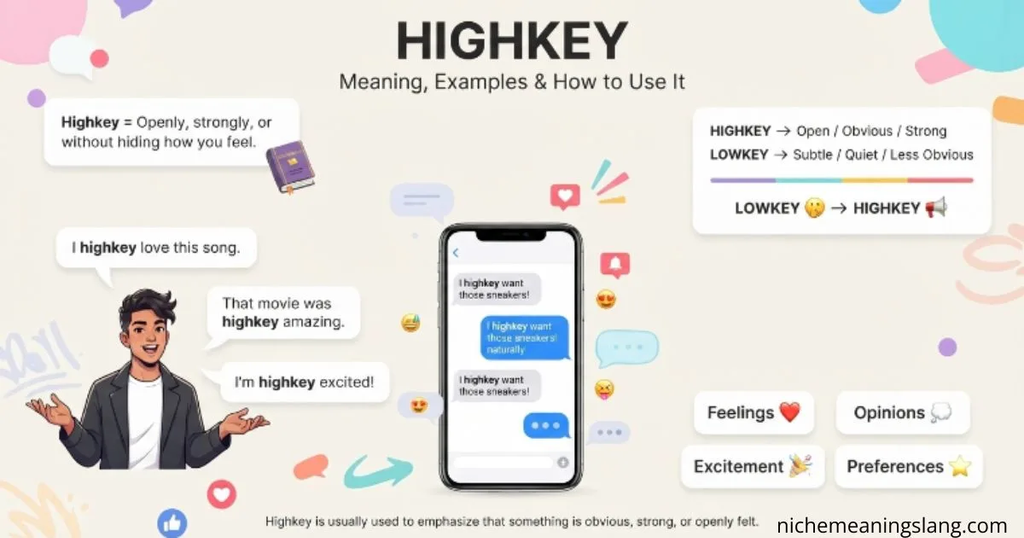
Highkey works almost as the opposite of lowkey. It emphasizes that something is obvious, strong, open, or unapologetic. Someone saying, “I highkey want pizza right now,” is making their desire very clear. Like lowkey, the expression belongs primarily to informal conversation and internet-oriented language.
Fire
Fire means something is extremely good, impressive, exciting, or stylish. Someone might describe a song, outfit, meal, photograph, or performance as “fire.” Unlike some highly specialized slang, this expression can apply to many subjects, which helps explain why it became familiar across American popular culture and social media.
Goated
Goated comes from GOAT, an abbreviation for “Greatest of All Time.” Calling someone or something goated means considering it exceptionally good or among the best ever. The expression is common in sports, gaming, music, entertainment, and online discussions where people enthusiastically rank favorites.
Dope
Dope can have several meanings in American English, but in slang it commonly means cool, impressive, excellent, or stylish. Someone might say, “Those shoes are dope,” to compliment them. Context is important because the same word can also refer to drugs in other contexts.
Understanding the label “ghetto slang”
The phrase ghetto slang is widely searched, but it is worth treating the label carefully. “Ghetto” has a much older history than modern slang. Merriam-Webster traces the noun to the historical use of the term for segregated districts, particularly the Jewish quarter of Venice, while its later U.S. meanings became associated with disadvantaged urban communities.
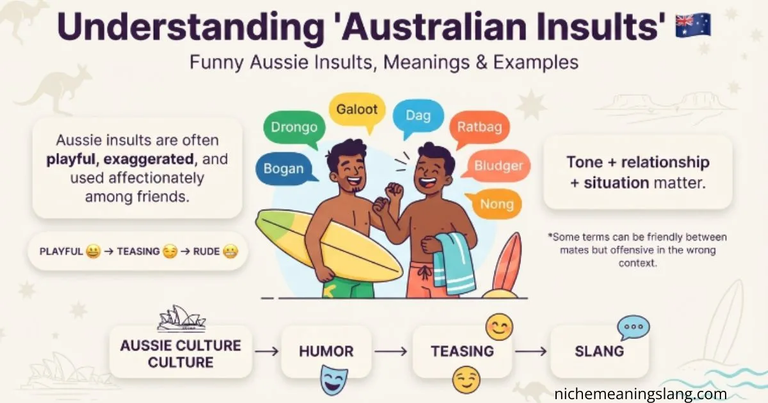
In contemporary American informal speech, ghetto can also function as an adjective describing something perceived as makeshift, cheap-looking, rough, unconventional, or unpolished. That usage can be playful between friends, but it can also be disparaging especially when directed at a person or community. Merriam-Webster explicitly notes the potential offensive character of this adjective usage.
That is why it is better to understand individual expressions on their own rather than assuming every slang word associated with Black or urban culture belongs to one single linguistic category.
African American English, for example, is not simply “ghetto slang.” Linguistic scholarship describes it as a rule-governed language variety with systematic patterns in phonology, morphology, syntax, semantics, and vocabulary.
Why slang meanings change
Slang is unusually fluid. A word can begin in a particular community, become popular through music, spread through television and film, and eventually appear in memes, TikTok comments, Instagram captions, and everyday conversations.
That movement can also change a word’s meaning. A phrase that once had a narrow cultural meaning may become broader after millions of people encounter it online. Slangloom similarly emphasizes how rapidly slang can move between generations and platforms.
This is why dictionary-style definitions alone don’t always explain what someone means in a text message.
Why context matters
Imagine someone texts, “That outfit is fire.” They’re probably giving a compliment.
Now consider “No cap.” That doesn’t mean anything about hats. It is a conversational way of emphasizing honesty.
Likewise, “That song slaps” isn’t describing physical violence. It is praise for music.
The surrounding words, subject, relationship between speakers, platform, and tone help determine the intended meaning.
Slang is not automatically appropriate everywhere
A slang expression that sounds perfectly natural in a group chat may sound strange in a job interview, business email, academic paper, or formal presentation.
Slangloom specifically recommends matching the expression to the tone, understanding the context, and knowing the audience. It also identifies outdated slang, excessive slang, and slang in formal writing as common usage mistakes.
A good rule is simple: understand the slang before using it, and let the situation determine whether it belongs.
11. Conclusion
Ghetto slang words are best understood through context, culture, and language change rather than as one fixed vocabulary list. Terms such as lit, drip, flex, cap, no cap, OG, fire, goated, and dope can communicate excitement, approval, style, honesty, status, or admiration in casual American English. At the same time, the label “ghetto slang” can oversimplify distinct linguistic traditions, particularly African American English.
The smartest approach is to learn what each expression means, notice who uses it and where, and avoid assuming that every slang term belongs to the same community or carries the same tone. Slang changes quickly, but context, audience, and cultural awareness remain the most reliable keys to understanding it.
12. FAQ Section
What is ghetto slang?
“Ghetto slang” is a loose informal label commonly used for slang associated with urban communities, street culture, hip-hop, or expressions that circulate in casual speech. However, it is not a precise linguistic category, and African American English should not be treated as simply a collection of slang terms.
What are some common slang words?
Examples include lit, drip, flex, cap, no cap, OG, fire, goated, dope, lowkey, highkey, slaps, and bussin. Their meanings depend on context and can change as language evolves.
What does “lit” mean in slang?
“Lit” generally means exciting, energetic, or extremely enjoyable. It is commonly used for parties, concerts, events, and other fun experiences.
What does “drip” mean?
“Drip” refers to fashionable clothing or style. Calling someone’s outfit “drip” or saying someone “has drip” is normally a compliment.
What does “cap” mean?
“Cap” means a lie, exaggeration, or false claim. “No cap” means the speaker is emphasizing that they are being truthful.
Is ghetto slang the same as AAVE?
No. African American English is a systematic variety of English with its own grammatical, phonological, semantic, and lexical patterns. It should not be reduced to slang or described simply as “ghetto language.”
Is the word “ghetto” offensive?
It can be. The answer depends on context, speaker, target, and intent. Merriam-Webster notes that the adjective sense can be disparaging or offensive, particularly when used to stereotype people or communities.
Why does slang become popular?
Music, entertainment, social media, online communities, and youth culture can rapidly spread slang beyond its original setting. Slangloom specifically identifies music, social media, and entertainment as major mechanisms through which expressions become mainstream.
Can slang words change meaning?
Yes. Slang meanings can shift over time as different communities adopt, remix, reinterpret, or popularize expressions. Context can therefore be just as important as the dictionary definition.
Related Slang Words

Ryan Mitchell is a language enthusiast and writer who explores slang, modern expressions, and everyday language. At nichemeaningslang, he helps readers understand slang meanings, usage, and context in a simple and easy-to-follow way.