50+Alcohol Slang Booze Words & Meanings for 2026
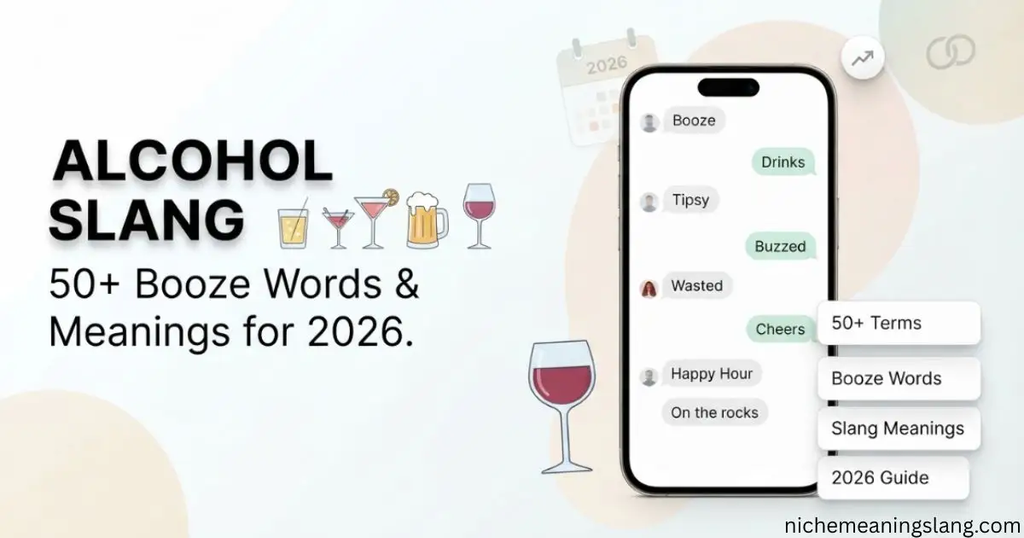
Alcohol slang includes casual words such as booze, hooch, sauce, juice, brew, spirits, and firewater, but not every drinking-related term means alcohol itself. Some describe beer or liquor, while others describe drinking, intoxication, bar orders, or a hangover.
I’ve found that the confusing part is rarely the individual word it’s the context. A phrase that sounds perfectly normal in a group chat can feel strange at a workplace event, while an old expression in a movie may have a completely different tone today. This guide breaks down alcohol slang by meaning, history, region, generation, and setting so you can recognize what people actually mean.
Origin and History of Alcohol Slang
Alcohol slang is much older than TikTok, texting, or Gen Z culture. Words such as booze, hooch, grog, firewater, and tipple have long histories, while newer expressions spread through social media, memes, group chats, and pop culture. That mix makes drinking vocabulary unusually diverse.
“Booze” is a particularly old example. Modern dictionaries trace the word back centuries, showing why calling every drinking term “new internet slang” can be misleading. Some expressions survive because they are useful; others remain popular because they sound funny, colorful, nostalgic, or strongly connected with a particular culture.
Why Alcohol Slang Even Exists
People use alcohol slang because casual language feels more relaxed than repeatedly saying “alcoholic beverage.” Booze, sauce, juice, brew, and cold one can make a conversation sound friendly, humorous, or familiar. Slang can also signal membership in a particular social group or generation.
There is another reason: drinking culture creates many situations that need their own vocabulary. Someone might discuss a beer, order liquor, describe a cocktail, talk about being buzzed, or complain about a hangover. Short expressions make those conversations faster, more expressive, and sometimes more playful.
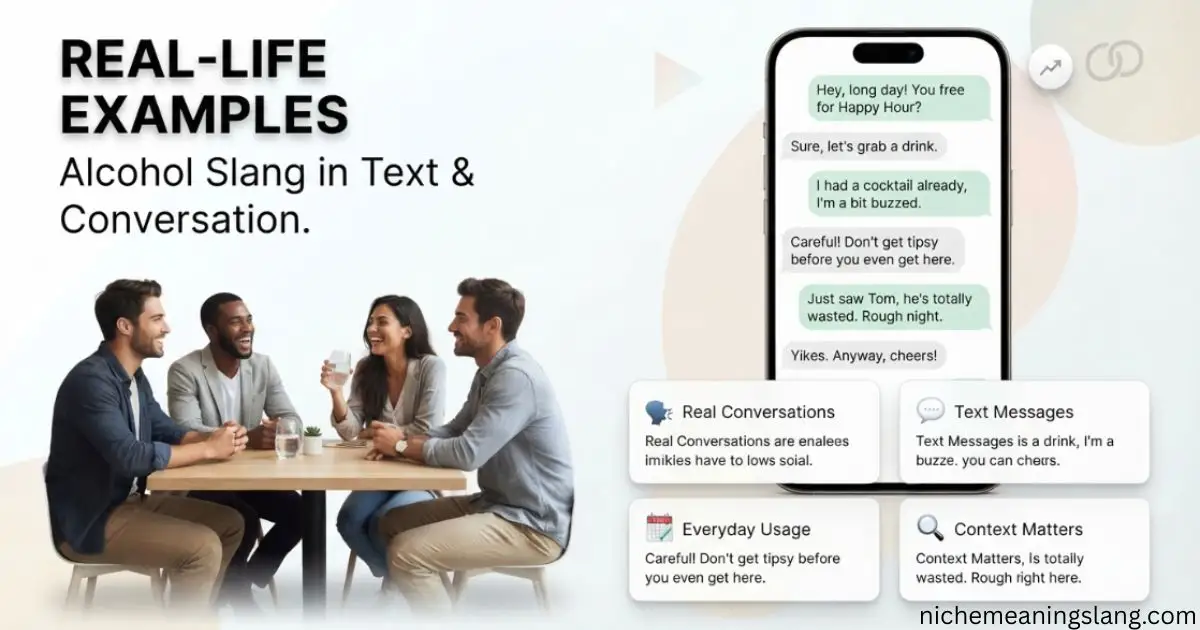
Real-Life Examples of Alcohol Slang
Booze
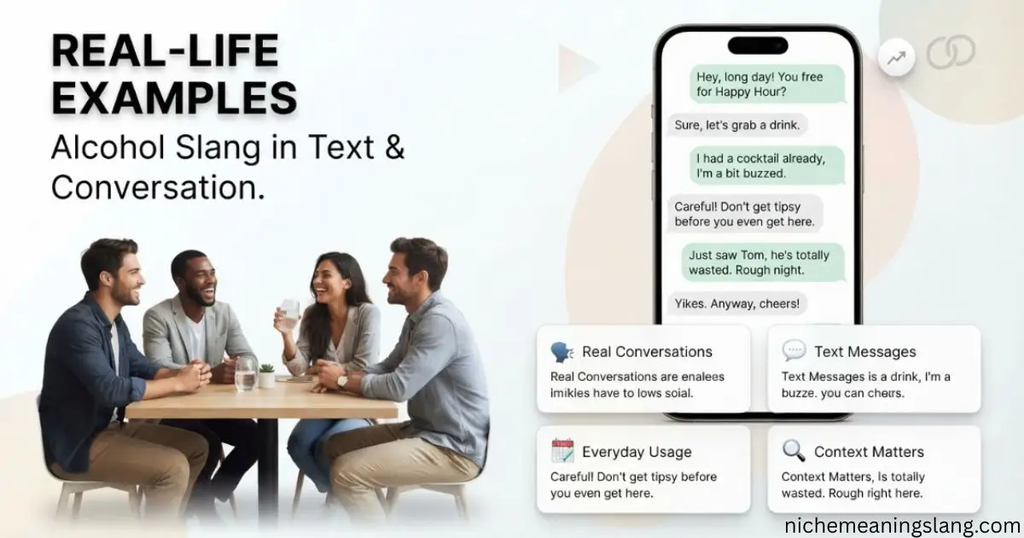
Booze is one of the broadest and most recognizable alcohol slang terms in American English. It generally means alcoholic drink or liquor and works naturally in casual conversations. You might hear, “Who’s bringing the booze?” at a party, barbecue, dinner, or informal gathering with friends.
Hooch
Hooch is an informal word for alcoholic liquor and can carry a rougher or old-fashioned feeling than booze. Depending on context, it may suggest homemade, cheap, or strong alcohol. It often appears in stories, movies, historical references, and casual conversation rather than formal communication.
Sauce
Sauce is a playful alcohol slang term that often appears in casual speech, texting, memes, and social media. Someone saying “We’re getting into the sauce tonight” is generally talking about drinking. Context matters because sauce normally refers to food, not alcohol.
Juice
Juice can refer to alcohol in certain casual conversations, especially when the surrounding context clearly involves drinking. Without that context, however, juice normally means a non-alcoholic beverage. That makes it a useful example of why slang cannot be translated correctly without reading the whole conversation.
Firewater
Firewater is an old-fashioned nickname for strong alcoholic liquor. Today, it often sounds humorous, dramatic, historical, or intentionally vintage rather than like ordinary American texting slang. You are more likely to encounter it in entertainment, storytelling, jokes, or historical contexts than in everyday workplace conversation.
Grog
Grog is another older drinking term, historically associated with rum and nautical language. Modern speakers may use it playfully or when deliberately creating an old-fashioned atmosphere. In ordinary American conversation, “grog” is much less common than booze, beer, liquor, or drinks.
Spirits
Spirits refers primarily to distilled alcoholic beverages such as whiskey, vodka, rum, and gin. Unlike many slang terms, it can sound completely normal in professional beverage writing. A restaurant menu might discuss its selection of spirits without sounding informal, making this term different from rougher expressions such as hooch.
Liquid Courage
Liquid courage humorously describes alcohol consumed because someone believes it will make them feel more confident. It does not name a particular beverage. Someone might jokingly say they need “liquid courage” before karaoke, a first date, public speaking, or another nerve-racking social situation.
Brew
Brew usually refers to beer in casual American speech, although it can technically describe other brewed beverages. “Let’s grab a brew” normally suggests beer rather than wine or liquor. The word feels relaxed and familiar, especially around bars, breweries, sporting events, cookouts, and casual gatherings.
Cold One
A cold one usually means a cold beer, particularly in relaxed social settings. The phrase is common in casual American speech and evokes situations such as watching sports, grilling, relaxing after work, or spending time with friends. It does not normally mean every kind of alcoholic beverage.
How Alcohol Slang Differs by Context
Texting
Text messages tend to favor short, casual alcohol slang such as booze, sauce, brew, drink, and juice. Because texting removes facial expressions and vocal tone, context becomes especially important. A phrase like “bring the sauce” can be obvious among friends but confusing to someone unfamiliar with the expression.
TikTok and Instagram
TikTok and Instagram encourage short, humorous, highly contextual expressions. Alcohol-related phrases can appear in captions, comments, memes, and jokes, including terms such as lit, liquid courage, rocket fuel, sauce, and getting tipsy. Their meaning can shift quickly as online communities adopt and remix language.
Reddit contains both contemporary internet slang and older drinking vocabulary. A discussion about beer may use brew, cold one, growler, or suds, while a conversation about intoxication might use buzzed, hammered, wasted, or plastered. Subreddit culture also influences which expressions feel natural.
Discord and Gaming
Discord conversations can use alcohol slang jokingly, particularly in social communities where users already know one another. Expressions such as rocket fuel, getting lit, booze, or sauce may appear casually. However, the same term can have unrelated meanings in gaming or internet culture, so surrounding messages matter.
Workplace Communication
Alcohol slang is generally less appropriate in professional communication. “There will be booze at the event” sounds casual, while “Alcoholic beverages will be available” is clearer and more neutral. Formal announcements, company emails, safety information, and official documents usually benefit from direct terminology.
US vs UK Alcohol Slang: Regional Differences
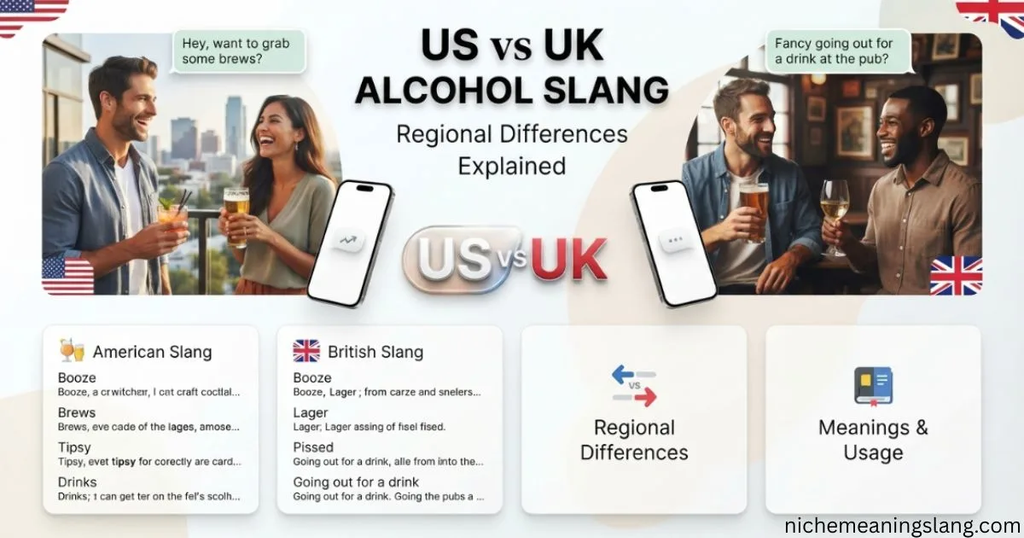
Alcohol slang changes noticeably across English-speaking regions. American speakers commonly use expressions such as booze, buzzed, hammered, liquor, and pregame, while British English has terms such as sloshed, trollied, and off-license. Some vocabulary crosses borders, but regional wording can reveal where a speaker learned English.
Australia adds another distinctive layer, with expressions such as grog, turps, goon, and getting on the beers appearing in Australian drinking culture. Linguistic research from Monash University found substantial variation in Australian terms for alcohol, demonstrating that drinking vocabulary is strongly shaped by regional identity and language history.
Gen Z and TikTok Alcohol Slang
Modern social media can accelerate alcohol slang, but not every word used by Gen Z was created by Gen Z. Older terms can return through memes, videos, and group chats, while newer expressions can spread rapidly before becoming less popular. Sauce, lit, party fuel, happy juice, and drank may appear in contemporary online contexts.
The safest way to understand a supposed “Gen Z alcohol term” is to examine its actual usage. A word can be popular among younger users without being newly invented, while another may trend briefly on TikTok and then disappear. Slang changes quickly, so generation labels should be used carefully.
Common Misunderstandings About Alcohol Slang
One major mistake is assuming every alcohol-related word means alcohol itself. Booze and hooch can name alcoholic drinks, while tipsy, hammered, wasted, and plastered describe intoxication. Likewise, boozing describes drinking, while liquid courage describes the perceived confidence associated with drinking.
Another common misunderstanding is treating old vocabulary as modern internet slang. Booze, grog, hooch, and nightcap existed long before TikTok. Social media may revive an older expression, but that does not make the term newly invented. Historical context is often the missing piece in slang explanations.
Mistakes People Make With Alcohol Slang
A frequent mistake is using a word simply because it sounds cool without understanding its meaning. Bar terminology can be especially confusing. Neat means liquor served without ice or a mixer, while on the rocks means served over ice. “Well” and “top shelf” also communicate different price and quality expectations.
Another mistake is confusing alcohol with intoxication. Saying someone is buzzed or tipsy describes their condition rather than naming the drink they consumed. Similarly, proof describes alcohol strength rather than functioning as a synonym for alcohol. Learning these distinctions makes alcohol slang much easier to understand.
Is Alcohol Slang Rude, Offensive, or Harmless?
Most alcohol slang is not automatically offensive. Words such as booze, brew, sauce, and cold one are generally casual. Their appropriateness depends on audience, setting, and subject. A relaxed phrase among friends can sound unprofessional in a company announcement or inappropriate during a serious discussion.
Some expressions deserve additional care because they imply heavy intoxication or excessive drinking. Hammered, wasted, plastered, and hitting the bottle can carry stronger or more negative associations. Historical expressions may also have cultural baggage, so choosing a neutral term is often wiser when the context is sensitive.
Are Alcohol Slang Terms Safe to Use?
“Safe” depends on what you mean. From a language perspective, most alcohol slang is simply informal vocabulary. From a communication perspective, however, slang can create confusion or minimize a serious subject. Alcohol, alcoholic beverages, and drinking are clearer choices for health, safety, legal, educational, or professional communication.
It is also useful to recognize that words describing intoxication can communicate different levels of severity. Tipsy suggests mild effects, while hammered, wasted, or plastered suggests much heavier intoxication. Understanding that distinction can help you interpret conversations without assuming every drinking reference means the same thing.
Quick Alcohol Slang Table
| Term | Usually Means | Tone |
| Booze | Alcohol generally | Casual |
| Hooch | Alcohol/liquor | Informal, rough |
| Sauce | Alcohol | Playful |
| Juice | Alcohol in some contexts | Casual |
| Firewater | Strong alcohol | Old-fashioned |
| Grog | Alcoholic drink | Vintage/playful |
| Spirits | Distilled alcohol | Neutral |
| Brew | Beer | Casual |
| Cold one | Beer | Relaxed |
| Brewski | Beer | Playful |
| Liquid courage | Alcohol used for confidence | Humorous |
| Nightcap | Late-evening drink | Classic |
| Rocket fuel | Very strong alcohol | Humorous |
| Tipsy | Slightly drunk | Casual |
| Buzzed | Mildly intoxicated | Casual |
| Lit | Drunk / having a great time | Modern casual |
| Hammered | Very drunk | Strong/casual |
| Wasted | Extremely drunk | Strong/casual |
| Plastered | Very drunk | Strong/casual |
| Three sheets to the wind | Very drunk | Old-fashioned |
Conclusion
Alcohol slang is much broader than a simple list of nicknames for booze. American English includes casual terms for alcohol itself, beer, liquor, cocktails, drinking, intoxication, bar orders, and hangovers. Words such as booze, hooch, sauce, brew, spirits, tipsy, buzzed, and hammered can all appear in conversations, but they do not mean the same thing.
The biggest key is context. A term that sounds natural in a group chat may feel inappropriate at work, while an old expression in a movie may have historical meaning that is easy to miss. Understanding the difference between alcohol, drinking, intoxication, and bar terminology makes alcohol slang much easier to decode and much easier to use naturally.
FAQs
What is the most common slang term for alcohol?
Booze is one of the most widely recognized informal terms for alcohol. It can refer broadly to alcoholic drinks and is common in casual American English.
What are some slang words for alcohol?
Common examples include booze, hooch, sauce, juice, firewater, grog, spirits, brew, and cold one. Some refer to alcohol generally, while others usually describe beer or stronger liquor.
What does “booze” mean in slang?
Booze means alcoholic drink or liquor in informal language. It can also function as a verb meaning to drink alcohol, particularly to drink excessively.
What does “hooch” mean?
Hooch is slang for alcoholic liquor. Depending on context, it can suggest homemade, cheap, rough, or illicitly produced alcohol, although modern usage can be broader.
What slang means very drunk?
Common expressions include hammered, wasted, plastered, sloshed, smashed, and three sheets to the wind. Their popularity and intensity vary by region and generation.
What does “sauce” mean in alcohol slang?
Sauce can mean alcohol, especially in playful or casual conversation. For example, someone saying “getting into the sauce” is usually talking about drinking.
What does “liquid courage” mean?
Liquid courage is a humorous phrase for alcohol consumed because someone believes it makes them more confident or less nervous.
What is Gen Z slang for alcohol?
Contemporary online usage can include words such as sauce, lit, drank, happy juice, party fuel, and other short-lived expressions. However, many alcohol terms used by younger people are much older than Gen Z.
Is “booze” a rude word?
Not necessarily. Booze is informal rather than inherently offensive. It may sound too casual for professional, legal, medical, or educational writing.
Is alcohol slang different in the UK and US?
Yes. Some terms overlap, but regional vocabulary differs. Americans may use liquor, buzzed, or pregame, while British speakers may use terms such as sloshed, trollied, or off-license.
Related Slang Words

Ryan Mitchell is a language enthusiast and writer who explores slang, modern expressions, and everyday language. At nichemeaningslang, he helps readers understand slang meanings, usage, and context in a simple and easy-to-follow way.