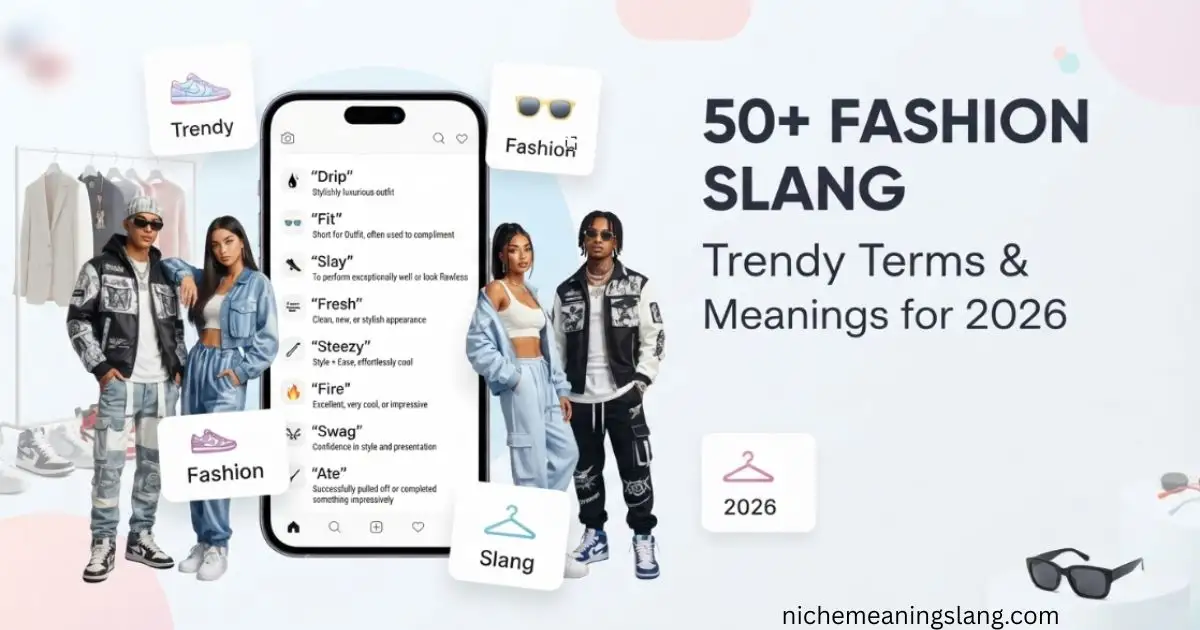
50+Fashion Slang Trendy Terms & Meanings for 2026
Fashion slang is the informal vocabulary people use to talk about clothes, outfits, personal style, aesthetics, and fashion culture. Words such as fit, drip, fire, clean, steeze, threads, kicks, OOTD, and fit check have become common in conversations shaped by TikTok, Instagram, streetwear, and Gen Z culture.
The confusing part is that these terms are not interchangeable. Fit usually points to the outfit itself, while drip emphasizes stylish impact; clean suggests polished simplicity, while fire is a broad compliment. After comparing current fashion-language usage, social discussions, and 2026 slang guides, this guide separates those meanings so you can actually understand and use the vocabulary naturally.
Quick Fashion Slang Reference
| Term | Meaning | Typical Tone | Example |
| Fit | Outfit | Casual | “That fit goes hard.” |
| Drip | Stylish clothing/style | Hype | “Your drip is crazy.” |
| Fire | Excellent/impressive | Positive | “That jacket is fire.” |
| Clean | Polished, simple style | Positive | “That’s a clean fit.” |
| Mid | Average/disappointing | Critical | “The outfit is mid.” |
| Steeze | Effortless style | Positive | “You’ve got serious steeze.” |
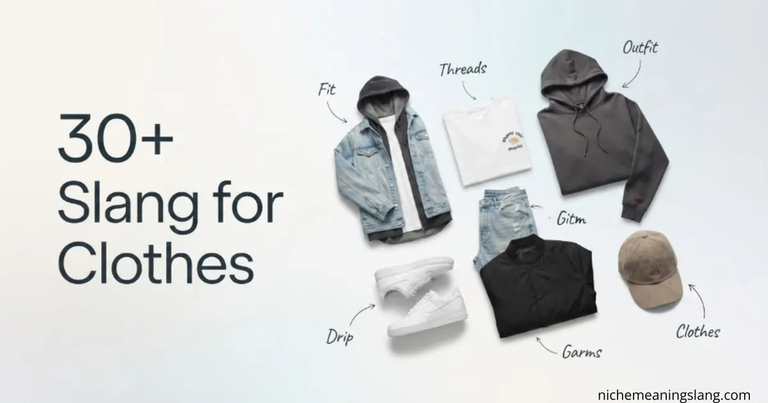
| Threads | Clothes | Casual/older | “Nice threads.” |
| Kicks | Sneakers | Casual | “Those kicks are fresh.” |
| Heat | Highly desirable fashion | Hype | “Those sneakers are heat.” |
| Fresh | Clean and stylish | Positive | “You look fresh.” |
| Fit Check | Showing an outfit | Social | “Fit check!” |
| Drip Check | Showing/evaluating style | Social | “Drip check before we leave.” |
| OOTD | Outfit of the day | Social | “Posting today’s OOTD.” |
These distinctions reflect the vocabulary and examples appearing across current fashion-slang and clothing-slang sources.
Why Fashion Slang Actually Matters (Even If You Think It’s Silly)
Fashion slang matters because clothing conversations increasingly happen through short captions, comments, videos, product listings, and social posts. A phrase like “that fit is fire” communicates more than “nice clothes”: it adds enthusiasm, personality, social context, and an unmistakably casual tone.
It also helps people understand fashion communities without feeling lost. When TikTok creators mention drip, fit checks, clean fits, aesthetics, thrift flips, or OOTDs, they are using a compressed vocabulary for ideas that would otherwise require longer explanations.
“The Fit”
The fit means the outfit someone is wearing, not necessarily how tightly or loosely clothing fits the body. “That fit is crazy” is essentially praise for the complete look. The term is especially common in social-media comments, mirror selfies, outfit posts, and casual conversations about style.
“Drip”
Drip describes noticeably stylish clothing or an impressive overall fashion look. It often carries more attitude than simply saying “nice outfit.” In current usage, someone can have drip through clothing, sneakers, jewelry, accessories, or the way the complete look comes together.
“Fire” or “Straight Fire”
Fire means something is exceptionally good, impressive, or stylish. In fashion conversations, “that fit is fire” is an enthusiastic compliment rather than a literal reference to flames. It works broadly because it can praise a jacket, shoes, complete outfit, or fashion choice.
“Clean”
Clean usually means simple, polished, sharp, and well put together. A clean fit might use restrained colors, good proportions, and minimal visual clutter. Unlike drip, which can imply flashiness, clean often praises restraint and precision in styling.
“Mid”
Mid is the opposite of strong fashion praise. If an outfit is called mid, the speaker usually means it is average, forgettable, or not especially impressive. It is less severe than calling something terrible, which makes it useful for casual criticism without sounding dramatically harsh.
“Aesthetic”
Aesthetic describes a recognizable visual style or overall theme rather than one isolated garment. Examples include cottagecore, dark academia, streetwear, minimalist, or Y2K aesthetics. The word therefore connects fashion slang with identity, mood boards, social-media feeds, and broader visual culture.
“Capsule Wardrobe”
A capsule wardrobe is a small, curated collection of clothing designed so pieces coordinate easily. It is not strictly slang, but it appears frequently in fashion content because it describes a recognizable approach to dressing. The concept connects style vocabulary with practicality, versatility, and reduced decision fatigue.
“Thrift Flip”
A thrift flip happens when someone buys secondhand clothing and alters or redesigns it into something different or more contemporary. The phrase is particularly associated with DIY fashion content, thrift culture, TikTok creators, customization, and creative reuse.
Common Mistakes People Make With Fashion Slang
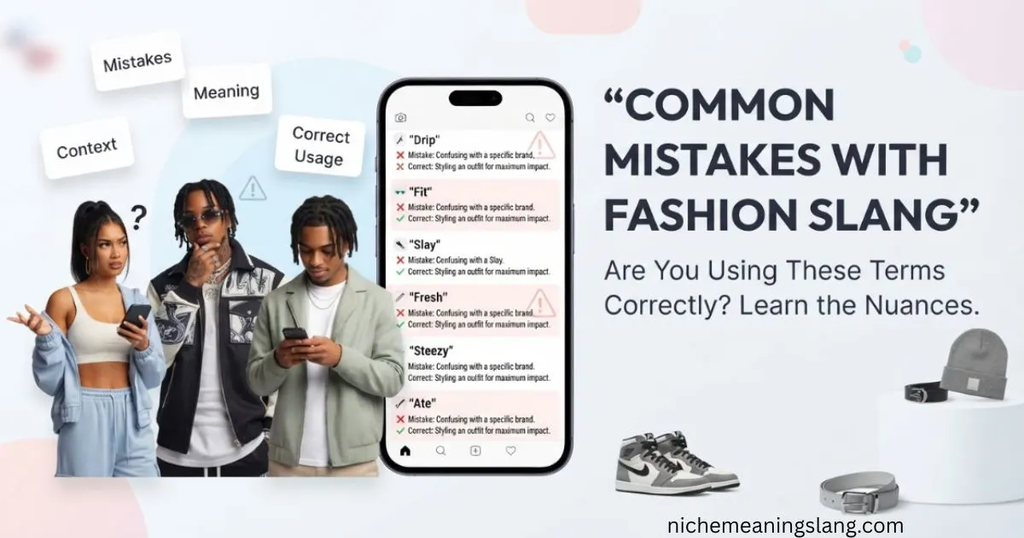
The biggest fashion-slang mistake is assuming every positive term means the same thing. Drip, fire, clean, fresh, heat, and steeze all praise style, but they emphasize different qualities. Good usage depends on understanding the shade of meaning rather than memorizing a list of fashionable words.
Another problem is forcing slang into situations where ordinary language would communicate better. A product description, professional email, or formal fashion article generally benefits from clarity. Slang can add personality, but it should support the message rather than make the reader decode it.
Threads
Threads is an older, recognizable slang term for clothes. It can sound relaxed and stylish, but its tone is less distinctly current than words such as fit or drip. SlangLoom identifies it as declining, making it useful contextually but less likely to sound cutting-edge in Gen Z conversation.
Swag
Swag traditionally describes confidence or a stylish way of carrying yourself, often expressed through clothing. It remains understandable in American English, but current younger audiences may hear it as dated compared with drip, fit, heat, or steeze. That generational difference matters when choosing vocabulary.
Steeze
Steeze combines the ideas of style and ease, describing someone whose fashion looks naturally effortless. Unlike drip, which can emphasize visual impact, steeze suggests that the person appears comfortable and unforced. It fits especially well within skate, streetwear, and youth-fashion conversations.
Fit Check
A fit check is a social-media-friendly way to show or evaluate an outfit. It often appears in mirror selfies, short-form videos, Instagram posts, and TikTok content. The phrase can be an invitation for compliments, feedback, or simply attention to what someone is wearing.
Drip Check
A drip check is similar to a fit check but puts greater emphasis on style impact. Someone asking for a drip check is essentially inviting people to judge or hype their fashion. The expression commonly appears in casual group chats, social posts, streetwear communities, and outfit content.
Using Outdated Slang
Slang has a short cultural shelf life. Words that once sounded cutting-edge can eventually become nostalgic, ironic, or dated. Swag and threads, for example, remain understandable but do not necessarily communicate the same contemporary energy as fit or drip. Context determines whether older slang works.
Using Slang in Formal Writing
Fashion slang can make social content feel natural, but professional writing usually needs greater clarity. A fashion retailer might use “fire fit” in a social caption while describing the same product more precisely on a product page. The audience and purpose should determine how informal the language becomes.
Overusing Slang
Using five slang terms in every sentence rarely sounds authentic. Someone might have a fire fit, drip, and steeze, but repeating every available expression makes the language feel performative. Strong fashion communication usually mixes slang with ordinary descriptive words so the important compliment actually stands out.
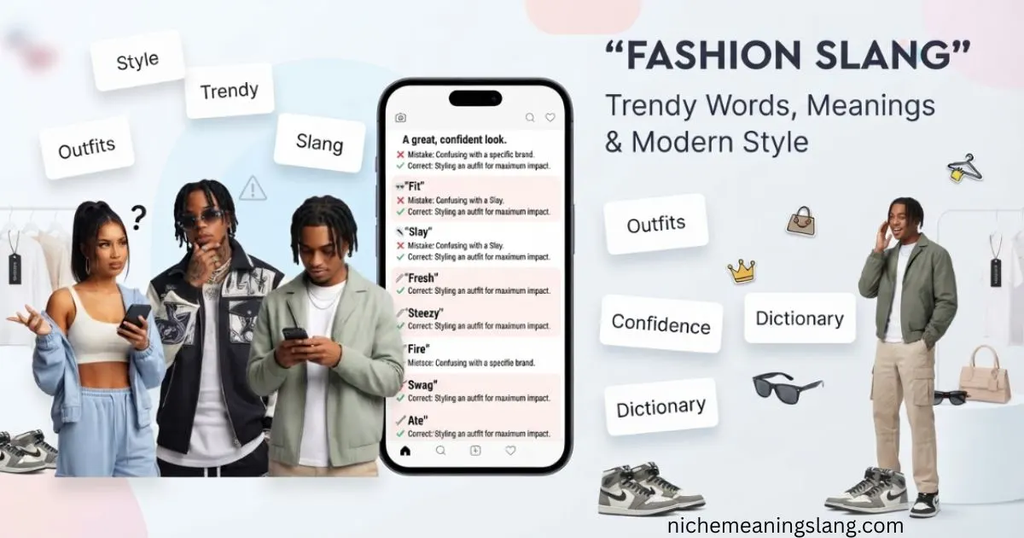
Fashion Slang
Fashion slang is broader than a simple list of words for attractive clothing. Current style vocabulary also includes aesthetic labels, subculture names, silhouettes, fashion jokes, nostalgic references, and internet-core identities. The StreetSlang fashion category, for example, includes terms such as Boho, Camp Core, Cluttercore, Indie Sleaze, JNCOs, Jort, and Quiet Flex.
That broader meaning explains why fashion slang changes so quickly. A term can describe an outfit today, become an aesthetic tomorrow, and eventually turn into a nostalgic reference. Social platforms accelerate that cycle because creators, commenters, brands, thrift sellers, and fashion communities constantly introduce vocabulary into new contexts.
Boho
Boho is shorthand for a relaxed, artistic, free-spirited fashion or lifestyle aesthetic. It connects clothing with earthy colors, flowing silhouettes, eclectic details, and an intentionally unconventional visual identity. Unlike a single outfit compliment such as “fire,” boho functions more like a recognizable style category.
Camp Core
Camp core describes a deliberately theatrical, exaggerated, self-aware aesthetic. In fashion conversation, the point is often that an outfit is knowingly extra rather than accidentally excessive. The phrase belongs to the wider internet vocabulary of aesthetic labels that turn a recognizable visual attitude into a named category.
Canadian Tuxedo
A Canadian tuxedo means an outfit built around denim-on-denim, commonly jeans paired with a denim jacket or shirt. The expression is usually playful rather than formal fashion terminology. Its humor comes from treating a familiar styling choice as though it were an exaggerated fashion uniform.
Cluttercore
Cluttercore turns visual abundance into an intentional aesthetic. Instead of treating a crowded, layered appearance as mess, the style celebrates personality, collections, color, and accumulated objects. In fashion and lifestyle content, it fits the broader trend of naming highly specific visual identities with “core” terminology.
Indie Sleaze
Indie sleaze refers to a messy, glamorous, flash-photography-associated aesthetic linked especially with late-2000s indie culture. In contemporary fashion discussion, the phrase often carries a nostalgic or ironic quality, showing how older styles can be repackaged as modern trend vocabulary.
JNCOs
JNCOs refers to the extremely wide-leg jeans associated with 1990s and early-2000s fashion. The word now frequently appears in throwback fashion discussions, nostalgia posts, and jokes about exaggerated oversized silhouettes. Its renewed visibility illustrates how fashion vocabulary can return when older aesthetics become culturally interesting again.
Jort
Jort is a playful blend referring to denim shorts. It is informal and often appears in fashion jokes, outfit commentary, and discussions about denim styling. Like many clothing slang terms, its usefulness comes from brevity: one compact word communicates both the garment and a casual cultural tone.
Quiet Flex
A quiet flex is a subtle display of status, taste, or style without openly bragging. In fashion, it might be an understated designer piece, rare sneaker, vintage item, or expertly styled outfit that knowledgeable viewers recognize. The phrase connects clothing with social signaling and understated confidence.
Subway Shirt
A subway shirt describes an oversized, relaxed T-shirt with an easygoing city or streetwear feel. It is a useful example of how internet fashion slang can give a specific silhouette or styling formula a memorable label that works particularly well in captions and outfit commentary.
Unbothered Core
Unbothered core turns calm, detached confidence into an aesthetic. It belongs to the expanding family of “core” labels that package an attitude into a visual style. In social content, the phrase can describe clothing, posture, captions, or an overall presentation designed to communicate effortless confidence.
Fashion Slang in Real-Life Context
Consider three compliments: “Nice fit,” “Your drip is crazy,” and “That’s a clean look.” They all sound positive, but they emphasize different things. The first identifies the outfit, the second celebrates standout style, and the third praises polished simplicity. That distinction is the real key to understanding fashion slang.
Social media adds another layer. A fit check asks people to look at an outfit; a drip check asks them to evaluate its style impact; OOTD identifies the content as an outfit-of-the-day post. These terms belong to one semantic network but perform different communicative jobs.
Fashion Slang and Generations
Current sources distinguish generational preferences. Gen Z is strongly associated with fit, drip, heat, and fit check, while terms such as swag, threads, and gear have stronger associations with Millennials and earlier internet or streetwear culture. Older speakers may simply prefer “outfit,” “clothes,” or “wardrobe.”
That does not mean slang belongs permanently to one age group. Words migrate. A term can begin in one community, become mainstream, acquire an ironic meaning, and later return through nostalgia. Fashion slang is therefore best understood as a moving cultural vocabulary rather than a fixed dictionary.
Fashion Slang on TikTok and Instagram
TikTok and Instagram have become major environments for fashion-language change because outfits are increasingly presented visually. Fit checks, OOTDs, drip checks, thrift flips, streetwear posts, sneaker content, and aesthetic videos all create situations where short, expressive vocabulary is more useful than formal fashion terminology.
Fashion Slang and Streetwear
Streetwear has had a particularly strong relationship with informal fashion vocabulary. Terms such as drip, kicks, heat, steeze, fit, and fresh allow communities to discuss not just garments but rarity, styling, confidence, cultural knowledge, and visual impact. That makes fashion slang partly about social identity, not merely clothing.
Conclusion
Fashion slang is really a shorthand for talking about style, identity, clothing, and cultural taste. Terms such as fit, drip, fire, clean, steeze, heat, kicks, fit check, OOTD, and aesthetic may overlap, but each carries its own nuance.
The easiest rule is to focus on context. Use fit for the outfit itself, drip for standout style, clean for polished simplicity, fire for enthusiastic praise, and fit check when showing the look. Once those distinctions become familiar, fashion conversations on TikTok, Instagram, streetwear pages, and everyday chats become much easier to understand.
Fashion slang will keep changing because fashion itself keeps changing. New aesthetics, creators, communities, and platforms will continue turning clothing ideas into memorable language.
FAQs
The current competitor FAQs repeatedly surface the same high-intent questions: what fashion slang means, what drip means, why the vocabulary changes, whether usage differs by platform, and how people stay current.
What is fashion slang?
Fashion slang is informal vocabulary used to describe clothing, outfits, personal style, appearance, aesthetics, and fashion culture. Examples include fit, drip, fire, clean, steeze, kicks, and fit check.
What does “drip” mean in fashion slang?
Drip means stylish or impressive clothing and overall fashion presentation. It often suggests that someone’s outfit stands out through clothing, shoes, accessories, confidence, or styling.
What does “fit” mean in fashion slang?
Fit is commonly short for outfit. If someone says “that fit is fire,” they are talking about the clothes or complete outfit rather than someone’s physical attractiveness.
What does “fit check” mean?
A fit check means showing or reviewing an outfit, usually through a photo, mirror selfie, video, or social-media post. It is common on TikTok, Instagram, and other visual platforms.
Is drip still fashion slang in 2026?
Yes. Current 2026 fashion-slang explainers continue to use drip as an active term for stylish clothing and personal style. It remains particularly visible in social-media and streetwear contexts.
What is slang for stylish clothes?
Common expressions include drip, heat, fire, fresh, steeze, clean fit, designer drip, and street drip. The exact choice depends on whether you mean expensive, impressive, polished, effortless, or streetwear-oriented style.
What does “clean fit” mean?
A clean fit is a simple, polished, well-coordinated outfit. It usually emphasizes good proportions, restrained styling, and a put-together appearance rather than flashy or heavily branded clothing.
What is OOTD?
OOTD means “Outfit of the Day.” It is widely used in fashion and social-media content to label or describe a person’s outfit for that day.
What does “steeze” mean?
Steeze describes effortless personal style. It suggests that someone looks naturally fashionable without appearing as though they tried too hard.
Does fashion slang differ by platform?
Yes. Terms can shift in frequency and tone between TikTok, Instagram, streetwear communities, fashion blogs, gaming communities, and offline conversations. The same expression may also mean something slightly different depending on the audience.
Is fashion slang only used by Gen Z?
No. Different generations contribute different expressions. Current sources associate fit, drip, heat, and fit check strongly with Gen Z, while swag, threads, and gear have stronger associations with earlier generations.
Related Slang Words

Ryan Mitchell is a language enthusiast and writer who explores slang, modern expressions, and everyday language. At nichemeaningslang, he helps readers understand slang meanings, usage, and context in a simple and easy-to-follow way.