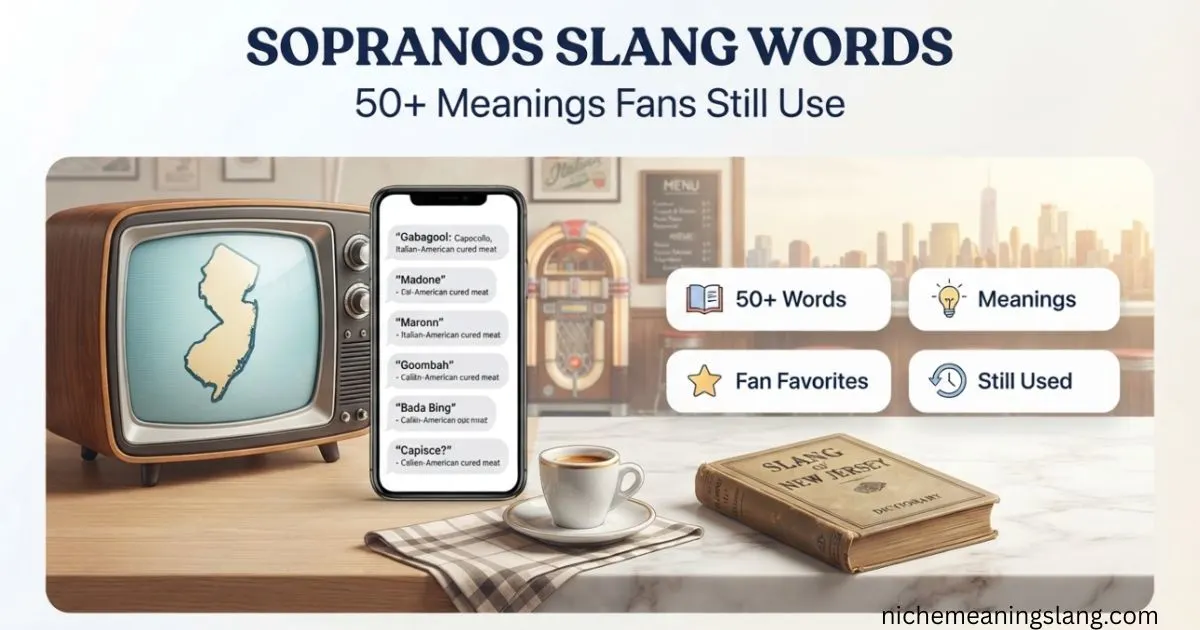
50+Sopranos Slang Words Meanings Fans Still Use
If you are searching for Sopranos slang words, the short answer is that they are a colorful mix of Italian-American expressions, regional New Jersey speech, mob terminology, and phrases popularized by The Sopranos. Words such as gabagool, goombah, goomah, capisce, madone, stunad, and fuggedaboutit became instantly recognizable through the show.
What makes these expressions fascinating is that many are not standard Italian. They reflect older Southern Italian dialects, American pronunciation, New Jersey culture, and the fictional world of Tony Soprano and his crew. Once you understand that context, the dialogue becomes easier to follow and the difference between genuine Italian-American vocabulary and exaggerated pop-culture imitation becomes much clearer.
Quick Table
| Sopranos slang word | Meaning | General tone |
| Gabagool | Capicola/capocollo | Playful |
| Goombah | Friend or associate | Casual |
| Goomah | Mistress | Informal |
| Capisce | Understand? | Assertive |
| Fuggedaboutit | Forget about it | Dismissive/playful |
| Madone | Expression of shock | Dramatic |
| Stunad | Fool or idiot | Insulting |
| Agita | Heartburn, stress, annoyance | Casual |
| Wiseguy | Mob-related man or smart-aleck | Contextual |
| Made guy | Initiated mob member | Mob terminology |
| Omertà | Code of silence | Serious |
| Bada bing | Emphatic expression | Playful |
| Stugots | Vulgar expression | Crude |
| Paisan | Fellow Italian/countryman | Familiar |
| Whacked | Killed | Dark |
The most recognizable expressions span several categories rather than one single slang system. Some refer to food, others to friendship, insults, emotions, organized-crime hierarchy, or everyday reactions. That mixture is one reason the show’s dialogue feels so distinctive.
How The Sopranos Taught Me Italian-American Slang
One of the easiest ways to understand the vocabulary is to remember how often the show connects language with setting. A word heard at the Satriale’s pork store, the Bada Bing, Tony’s home, or a back-room meeting can carry a different emotional weight depending on who says it and why.
That context matters because Sopranos slang words were not created entirely for television. The series drew on Italian-American speech and older regional expressions, then placed them inside a highly recognizable New Jersey crime drama. Contemporary references likewise describe the show’s language as a blend of Italian-American vocabulary, regional speech, and mob terminology.
Why This Slang Even Exists
A common misconception is that the characters are simply speaking “bad Italian.” The reality is more interesting. Italian immigrants brought different regional dialects to the United States, particularly from southern Italy, and those varieties changed as communities lived for generations in places such as New York and New Jersey.
That helps explain pronunciations such as gabagool for capicola. Linguistic explanations connect the form to Italian-American pronunciation and Neapolitan influence rather than treating it as a random invention. Similar pronunciation patterns can appear in words for mozzarella, ricotta, and other foods.
The Words People Actually Ask About
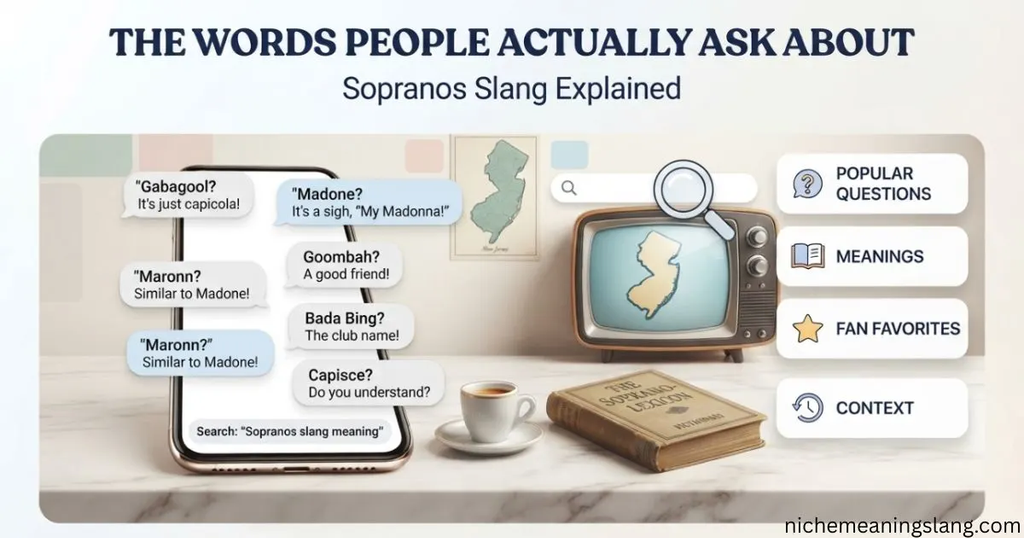
Gabagool means capicola, the cured meat commonly called capocollo or capicola in North America. It is probably the most famous example of Sopranos-associated Italian-American pronunciation. The word became a pop-culture shorthand for the show’s Jersey-Italian atmosphere.
Goombah generally refers to a friend, close associate, or fellow Italian-American man, while goomah refers to a mistress in the mob-associated usage heard in the show. Capisce means “understand?” or “got it?” Fuggedaboutit represents a stylized pronunciation of “forget about it,” while madone is an exclamation expressing surprise, frustration, or disbelief.
Stunad or stunod is used for a foolish or stupid person. Agita can refer to heartburn, irritation, stress, or an anxious feeling. Wiseguy has a broader history than The Sopranos and can refer to a mobster or, in ordinary American usage, a smart-aleck.
Made guy, consigliere, associate, capo, and omertà belong more directly to organized-crime terminology. They describe positions, relationships, or concepts surrounding the fictional mob world. The distinction matters: not every memorable phrase in the series is technically slang.
Where I See People Mess These Up
The most common mistake is treating every expression as standard Italian. Many Sopranos slang words are Italian-American forms, regional pronunciations, English expressions, or mob terminology. Calling all of them “Italian words” erases the history that makes them interesting.
Another mistake is confusing goombah with goomah. They look similar but have very different meanings in the show’s vocabulary. Gabagool is another word people sometimes assume is a completely invented term, even though it corresponds to established Italian-American pronunciation of capicola/capocollo.
20 Sopranos Italian Slang Terms
| Term | Meaning | Context |
| Gabagool | Capicola | Food/pop culture |
| Madone | Shock or frustration | Reaction |
| Stugots | Vulgar expression | Crude humor |
| Goombah | Friend/associate | Familiar |
| Fuggedaboutit | Forget about it | Dismissive |
| Paisan | Fellow Italian/countryman | Familiar |
| Marone | Shock/frustration | Exclamation |
| Bada Bing | Emphatic expression | Playful |
| Capisce | Understand? | Assertive |
| Agita | Stress/heartburn | Emotion |
| Wiseguy | Mobster/smart-aleck | Contextual |
| Comare | Female companion/mistress | Contextual |
| Moozadell | Mozzarella | Food |
| Stunad | Fool/idiot | Insult |
| Goomah | Mistress | Mob context |
| Omertà | Code of silence | Mafia terminology |
| Made guy | Initiated mob member | Mafia hierarchy |
| Whacked | Killed | Mob/crime slang |
| Connected | Having influential ties | Mob context |
| Good earner | Person who generates money | Mob context |
Not all of these expressions have the same origin, and some existed long before The Sopranos. The show’s contribution was often popularization and cultural amplification, rather than invention.
For example, The Sopranos helped make “gabagool” internationally recognizable, but the pronunciation itself belongs to a broader Italian-American linguistic history.
Generational Slang Comparison
Older Italian-American speakers may encounter some of these expressions as familiar regional language, while younger Americans may know them primarily through clips, memes, streaming, and references to The Sopranos. Reddit discussions show that even Italian-American viewers disagree about which expressions are genuinely common in their own communities.
For younger internet users, expressions such as gabagool, fuggedaboutit, and madone can function almost like pop-culture reaction language. Their modern meaning may therefore be more theatrical or humorous than the original regional usage.
How to Use Slang Naturally Without Sounding Awkward
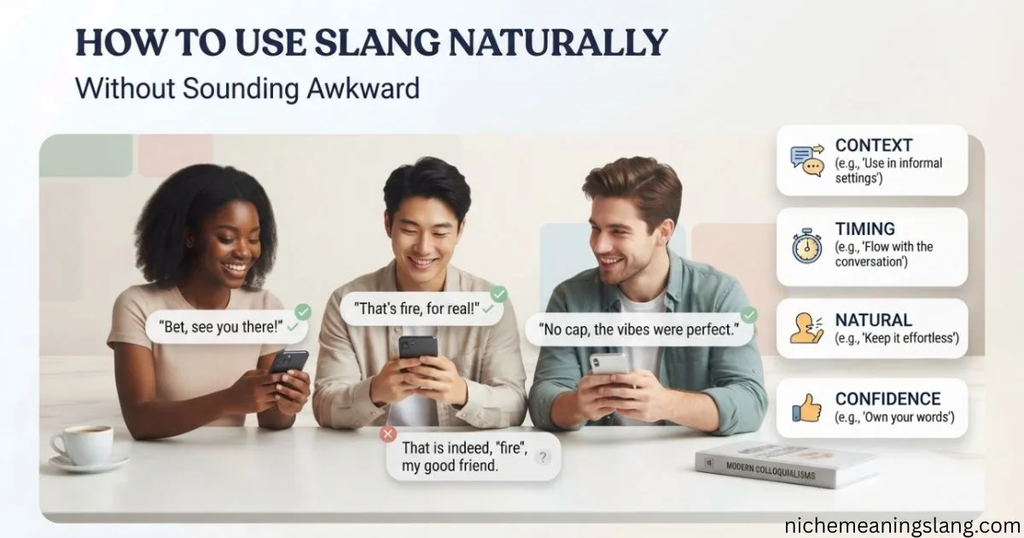
The safest approach is to understand the meaning before trying to imitate the accent. Saying “gabagool” jokingly among Sopranos fans is very different from forcing an Italian-American accent around strangers.
The same principle applies to capisce, wiseguy, goombah, and fuggedaboutit. Context determines whether the expression sounds affectionate, humorous, dated, aggressive, or like a deliberate television reference.
Common Slang Mistakes
Using too many expressions together is probably the fastest way to sound like you are performing a character rather than speaking naturally. One familiar phrase can work as a joke; filling every sentence with madone, capisce, gabagool, and fuggedaboutit quickly becomes parody.
It is also worth remembering that some terms carry cultural or insulting associations. A word being common in a television show does not automatically make it appropriate in every real-world setting.
The Psychology & Culture Behind This Slang Category
Language in The Sopranos frequently signals relationships. A character’s vocabulary can communicate familiarity, authority, affection, sarcasm, disrespect, or belonging before the literal meaning of the sentence is even processed.
That is why the show’s slang feels more powerful than a simple dictionary list. Wiseguy, made guy, good earner, connected, and rat can communicate social position inside the fictional organization, while expressions such as goombah can create a sense of familiarity.
11 Sopranos Slang Terms (Grouped by Tone)
A. Positive / Praise Slang
Stand-up guy describes someone viewed as dependable or honorable. Good earner refers to someone who brings in money, while connected suggests influential relationships. These expressions are especially useful for understanding how the show uses language to establish respect, reputation, and position inside its fictional criminal hierarchy.
B. Funny / Playful Slang
Fuggedaboutit, wise guy, goombah, and breaking balls belong to a more playful side of the vocabulary. Their tone depends heavily on delivery. “Breaking balls,” for example, usually means teasing or joking with someone rather than literally causing harm.
C. Negative / Insult Slang
Rat, stunad, and whacked have considerably darker meanings. A rat is an informant or betrayer, stunad is an insult for a fool, and whacked means killed in criminal slang. These terms should be understood as fictional or descriptive vocabulary, not casual substitutes for ordinary conversation.
Slang Lifespan Section
Slang changes with time. Some expressions survive because they remain useful, while others survive mainly because movies, television, memes, and nostalgia repeatedly bring them back.
The continued recognition of The Sopranos means expressions such as gabagool and fuggedaboutit remain culturally visible even among people who did not watch the original HBO run. Media can preserve vocabulary long after everyday regional usage changes.
Conclusion
Sopranos slang words are memorable because they combine language, place, character, humor, food, family, and the fictional world of organized crime. Gabagool, goombah, goomah, capisce, madone, stunad, and fuggedaboutit each reveal a different part of that linguistic landscape.
The biggest takeaway is that this vocabulary is not simply “Italian slang.” It reflects Italian-American speech, regional New Jersey culture, older dialect influences, English, and the storytelling style of The Sopranos. Understanding those layers makes the show’s dialogue much easier to appreciate and helps you avoid confusing television catchphrases with standard Italian.
FAQs
What is Sopranos slang?
Sopranos slang is the mixture of Italian-American expressions, regional New Jersey speech, mob terminology, and stylized phrases associated with The Sopranos. It includes words such as gabagool, goombah, capisce, madone, stunad, and fuggedaboutit.
Is Sopranos slang real Italian?
Not always. Many expressions are Italian-American pronunciations or dialect forms rather than standard contemporary Italian. Some also come from English, organized-crime vocabulary, or popular culture.
What does gabagool mean?
Gabagool refers to capicola or capocollo, a cured Italian meat. The pronunciation is associated with Italian-American speech in the northeastern United States and became especially famous through The Sopranos.
What does goombah mean?
Goombah is an Italian-American term associated with a close friend, companion, or associate. In The Sopranos, it commonly carries a familiar, neighborhood-oriented tone.
What does goomah mean?
Goomah or goomar is used in Italian-American mob vocabulary to mean a mistress. It should not be confused with goombah, which has a different meaning.
What does capisce mean?
Capisce? comes from Italian capisci?, meaning “do you understand?” In American popular culture it often has an assertive or theatrical tone.
What does fuggedaboutit mean?
Fuggedaboutit is a stylized pronunciation of “forget about it.” Depending on context, it can mean forget it, don’t worry about it, no way, or something similar to “obviously.”
Why does Sopranos slang sound different from standard Italian?
Much of the vocabulary reflects Italian-American dialects and pronunciation patterns that developed among immigrant communities in the United States. Southern Italian and Neapolitan influences are particularly relevant.
Do people still use Sopranos slang today?
Some expressions remain recognizable through The Sopranos, memes, social media, and pop culture. Actual everyday usage varies by region, family background, generation, and context.
Can non-Italians use Sopranos slang?
People can reference pop-culture expressions, but context matters. Using a phrase as a recognizable joke is different from imitating an ethnic accent or presenting a stylized television dialect as authentic Italian speech.
Is Sopranos slang offensive?
Some terms are vulgar, insulting, outdated, or connected to stereotypes. Meaning and offensiveness depend on the specific word, audience, intent, and setting.
How can I learn Sopranos slang naturally?
Watch the dialogue with subtitles, note unfamiliar expressions, look up their origins, and pay attention to who says them and in what situation. Context is more useful than memorizing a dictionary list.
Related Slang Words

Ryan Mitchell is a language enthusiast and writer who explores slang, modern expressions, and everyday language. At nichemeaningslang, he helps readers understand slang meanings, usage, and context in a simple and easy-to-follow way.