ABG Girl Meaning What Is an ABG Girl? Style & Slang
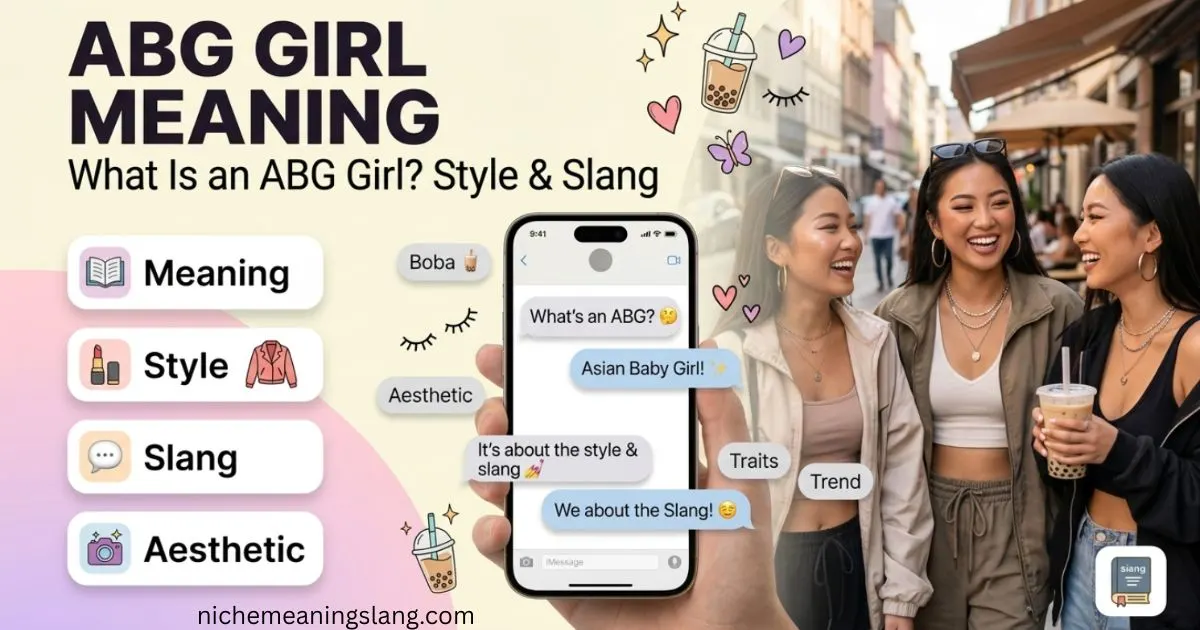
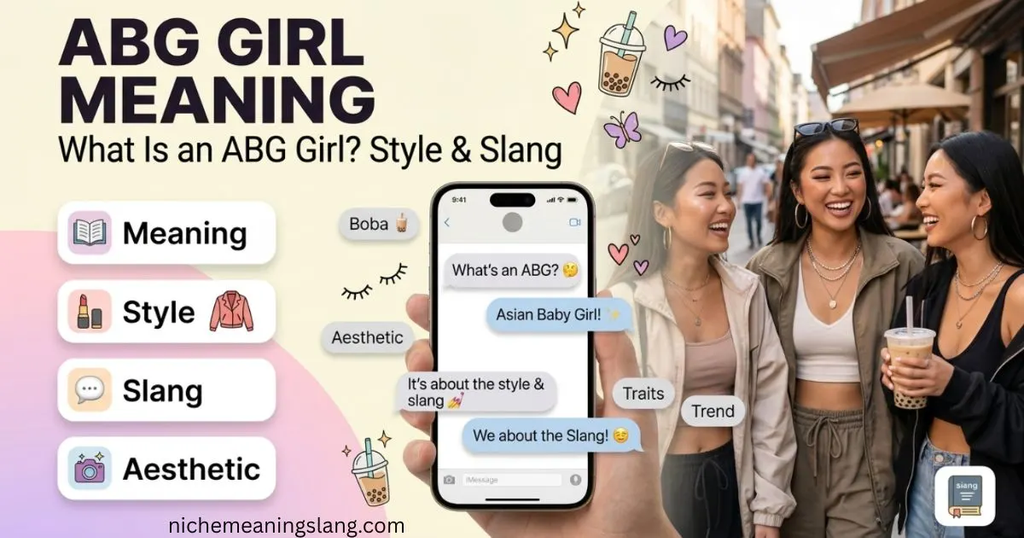
An ABG girl usually refers to an Asian Baby Girl associated with a bold, glam, fashion-forward aesthetic and confident social vibe. The label connects Asian American culture, beauty trends, nightlife, streetwear, and social media, but it is not a checklist that defines every Asian woman. After researching how the term appears across internet culture, one thing stands out: context matters as much as appearance.
If you’ve seen ABG slang, Asian Baby Girl, ABG aesthetic, TikTok trends, or ABG vibes and wondered whether the phrase is a compliment or stereotype, you’re asking the right question. The modern meaning has evolved from older Asian American subculture, rave culture, fashion, memes, and online identity into a much broader style label. This guide separates the aesthetic from the stereotype so you can understand what someone actually means.
What Is an ABG Girl? The ABG Aesthetic Explained
An ABG girl is generally described through a combination of glam makeup, fashion, confidence, nightlife, and Asian American youth culture rather than one fixed appearance. Common associations include dramatic eyeliner, lash extensions, styled or dyed hair, streetwear mixed with glamorous accessories, and an outgoing social presence.
The important distinction is that these are cultural associations, not requirements. An Asian American woman can love makeup, tattoos, boba, nightlife, or streetwear without identifying as ABG. Likewise, someone may use the label jokingly or proudly without matching every stereotype attached to it. The term works more like an aesthetic and social shorthand than an official identity.
Quick Reference: ABG at a Glance
| Category | Meaning |
| Full meaning | Asian Baby Girl |
| Historical alternative | Asian Baby Gangster |
| Main context | Asian American youth and internet culture |
| Common style | Glam makeup, lashes, styled hair, streetwear |
| Lifestyle associations | Nightlife, parties, raves, social media |
| Common platforms | TikTok, Instagram, YouTube |
| Tone | Playful, self-referential, complimentary, or stereotypical |
| Male counterpart | ABB, meaning Asian Baby Boy |
MeaningPrime identifies the modern term with Asian American youth culture, while Slang.net similarly connects it with fashion, nightlife, rave culture, and social-media communities. The historical “Asian Baby Gangster” usage is older and less central to the everyday meaning many people encounter now.
What does an ABG girl look like?
An ABG girl is commonly associated with winged eyeliner, thick lashes, dyed or highlighted hair, manicured nails, streetwear, glam accessories, and a confident presentation. You may also see references to tattoos, colored contacts, sneakers or heels, boba, nightlife, and highly styled social-media photos. These features describe a stereotype or aesthetic—not a universal formula.
What is the ABG stereotype?
The ABG stereotype bundles appearance, personality, and lifestyle into one recognizable image: a stylish Asian American woman who enjoys beauty, fashion, nightlife, social media, and a confident or rebellious image. The stereotype became more visible online because memes and “starter pack” culture made those traits easy to recognize and exaggerate.
The problem comes when an aesthetic description becomes a generalization. Not every Asian woman with lashes, tattoos, dyed hair, streetwear, or a love of boba is an ABG, and those traits do not reveal someone’s personality. Using ABG as a self-description can be playful; assigning it to someone based solely on appearance can feel reductive.
Where Did the ABG Aesthetic Come From?
The history of the ABG aesthetic is more complicated than a TikTok trend. Current sources connect its development to Asian American communities during the 1990s and 2000s, with New York Chinatown and Southern California appearing prominently in different accounts. West Coast rave, nightlife, and import-car culture helped shape the visual identity that later became recognizable online.
There is no single uncontested “birthplace” that explains the entire phenomenon. Know Your Meme traces an early cultural layer to New York Chinatown, while Slang.net emphasizes West Coast nightlife, rave, and import-car scenes. That makes the safest historical description a multi-scene Asian American subculture that evolved across different communities.
Where did the ABG aesthetic actually originate?
The earliest history is debated, but sources consistently place important development within Asian American communities in the United States. Know Your Meme cites 1990s New York Chinatown roots, while other accounts emphasize California’s Asian American social and nightlife scenes. By the 2010s, the label and aesthetic had become increasingly visible through YouTube, Facebook communities, memes, and fashion content.
That history matters because the look was not simply invented as an internet costume. Some accounts describe early ABG identity as a rejection of restrictive stereotypes portraying Asian women as quiet, passive, or overly obedient. Later internet culture simplified that complicated history into recognizable beauty and fashion signals, which is why today’s usage can feel both empowering and stereotypical.
ABG in Today’s Internet Culture
Today, ABG slang behaves more like a flexible internet aesthetic than a strict subculture definition. People may use it in TikTok captions, Instagram posts, transformation videos, comments, group chats, or jokes about fashion and nightlife. The label can describe a person’s look, a temporary “ABG era,” or an aesthetic-inspired makeover.
Modern usage also shows how internet language changes when a niche label becomes mainstream. What once carried stronger cultural and subcultural associations can now function as shorthand for glam makeup, lashes, streetwear, confidence, nightlife, and Asian-inspired social-media aesthetics. That broader use explains why younger users may encounter ABG without knowing its earlier history.
ABG in a Sentence (Real Usage Examples)
In casual conversation, ABG can be used as a playful description of someone’s outfit or overall vibe. For example: “That makeup is giving ABG energy,” or “I went full ABG for the concert.” In these examples, the speaker is usually talking about style, beauty, fashion, or social energy, rather than making a formal claim about identity.
Another useful distinction is between describing an aesthetic and labeling a person. “She posted an ABG-inspired makeup tutorial” focuses on a style choice. “Every Asian girl is an ABG” turns the same word into a sweeping stereotype. The first is contextual; the second erases individual differences and can easily sound disrespectful.
Is ABG Slang Offensive? Self-Expression vs. Stereotype
ABG is not inherently a slur, but whether it feels positive, neutral, teasing, or offensive depends heavily on context, tone, and who is using it. Self-identification is often more comfortable because the person controls the label. Applying it to someone else based only on their ethnicity or appearance can be much more problematic.
The safest approach is simple: understand the Asian American cultural context, avoid treating stereotypes as facts, and don’t assume that someone wants the label. The difference between “I’m in my ABG era” and “You look like an ABG” can be surprisingly important because one is self-expression while the other assigns an identity.
What Are Some Early Internet Posts And Memes About ABGs?
Early online ABG culture helped turn a relatively niche label into recognizable internet shorthand. Know Your Meme documents a 2009 Urban Dictionary definition and later YouTube content, including a 2014 “How to Look Like an Asian Baby Girl” tutorial. These examples show the transition from subculture language to an identifiable online aesthetic.
Memes then amplified the visual side of the stereotype. Lashes, dyed hair, tattoos, boba, nightlife, cars, and fashion became recurring shorthand because they were visually easy to exaggerate. That made ABG content highly memeable, but it also encouraged people unfamiliar with the history to understand the term mainly through stereotypes.
What Does ‘ABG’ Mean To Young Asian Women in the 2020s?
For many younger users, ABG can function as a fashion label, joke, aesthetic identity, or self-aware cultural reference rather than its older gang-adjacent meaning. TikTok and Instagram helped revive and reshape the aesthetic, making transformation videos and beauty content particularly visible.
That shift is significant because modern ABG culture can involve self-expression and reclamation. Someone may jokingly call herself ABG because she loves glam makeup, nightlife, fashion, or boba culture. At the same time, outsiders may use the same term without understanding its cultural background. The meaning therefore depends strongly on speaker, audience, and context.
What Are Some Memes About ABGs?
ABG memes often exaggerate recognizable beauty, fashion, family, school, nightlife, and car-culture stereotypes. Common visual references include dramatic lashes, long nails, bleached hair, boba, customized cars, and party culture. Know Your Meme notes that these jokes often extend beyond appearance into assumptions about family life, education, and social behavior.
The humor can be affectionate when people inside the culture recognize themselves in it, but the same joke can become reductive when it treats stereotypes as universal truths. That’s why understanding the difference between meme culture and real identity is essential when interpreting ABG content online.
What’s the difference between ABG and ABB?
ABG means Asian Baby Girl, while ABB is commonly used as the male counterpart, Asian Baby Boy. The two labels overlap around fashion, confidence, nightlife, streetwear, and Asian American youth culture, although ABB is considerably less common online than ABG.
ABG has developed a much stronger and more recognizable aesthetic vocabulary, especially around beauty, makeup, lashes, hairstyles, and feminine fashion. ABB references tend to lean more toward streetwear, cars, nightlife, and masculine presentation. Neither label should be treated as a formal demographic category.
Can non-Asian people use the term ABG?
People outside Asian American communities do use ABG slang, particularly when discussing the aesthetic or internet culture. However, cultural awareness matters. Using the term to describe a specific style is different from using it to stereotype Asian women or treating the label as a costume detached from its history.
If you’re unsure, describing the actual aesthetic such as glam makeup, streetwear, lashes, nightlife style, or an ABG-inspired look can be clearer than assigning ABG as someone’s identity. When someone self-identifies as ABG, respecting their own use of the term is generally the easiest way to understand the intended tone.
Conclusion
An ABG girl is best understood as someone associated with the Asian Baby Girl aesthetic, a cultural and internet label shaped by Asian American communities, beauty culture, fashion, nightlife, memes, and social media. The modern meaning is broader and less gang-focused than some of the term’s earlier associations.
The biggest takeaway is that ABG describes an aesthetic and cultural shorthand, not a rulebook for Asian women. Lashes, dyed hair, tattoos, streetwear, boba, or nightlife do not automatically make someone ABG. When the term is used with context and respect, it can be playful self-expression; when used as a blanket stereotype, it can easily become reductive.
FAQs
What does ABG mean in slang?
ABG usually stands for Asian Baby Girl in modern internet slang. It refers to an aesthetic and social stereotype associated with some Asian American women, particularly around glam beauty, fashion, confidence, nightlife, and social-media culture.
What does an ABG girl look like?
An ABG girl is commonly associated with dramatic eyeliner, long lashes, styled or dyed hair, manicured nails, streetwear, glam accessories, and a confident social presence. These are associations rather than requirements.
Is ABG a compliment?
It can be. Some people use ABG playfully or positively to describe someone’s style, beauty, confidence, or overall aesthetic. But because the label also carries stereotypes, its effect depends on the speaker, relationship, tone, and context.
Is ABG slang offensive?
Not inherently. Self-identification is generally different from stereotyping someone else. Calling someone ABG solely because they are Asian or because they have certain physical features can feel reductive, while someone describing their own style as ABG may be using the term positively or humorously.
What does ABG mean on TikTok?
On TikTok, ABG commonly refers to Asian Baby Girl aesthetics, makeup, fashion, transformation videos, nightlife culture, memes, and self-identification. The platform helped bring an older subcultural label to a much wider internet audience.
What does “baddie ABG” mean?
“Baddie ABG” combines the broader baddie aesthetic with ABG’s more culturally specific Asian American context. It generally describes an especially polished, glamorous, confident version of the ABG look.
What is the difference between ABG and ABB?
ABG means Asian Baby Girl, while ABB generally means Asian Baby Boy. ABB is the less common male counterpart and can reference similar streetwear, confidence, nightlife, and Asian American youth-culture associations.
Did TikTok create the ABG trend?
No. The term existed before TikTok. Sources document earlier ABG usage and internet content dating back to the 2000s and 2010s, while TikTok later helped revive and mainstream the aesthetic through transformation videos and short-form content.
What does ABG mean medically?
In healthcare, ABG commonly means arterial blood gas, a test used to evaluate oxygen, carbon dioxide, and acid-base status in blood. This medical meaning is unrelated to the Asian Baby Girl slang term.
Can a non-Asian person be an ABG?
The term is culturally rooted in Asian American communities, so applying it to a non-Asian person can be confusing or insensitive depending on the context. Describing someone as having an ABG-inspired aesthetic is more precise when discussing style rather than cultural identity.
Related Slang Words

Ryan Mitchell is a language enthusiast and writer who explores slang, modern expressions, and everyday language. At nichemeaningslang, he helps readers understand slang meanings, usage, and context in a simple and easy-to-follow way.