What Does Type Mean in Slang?
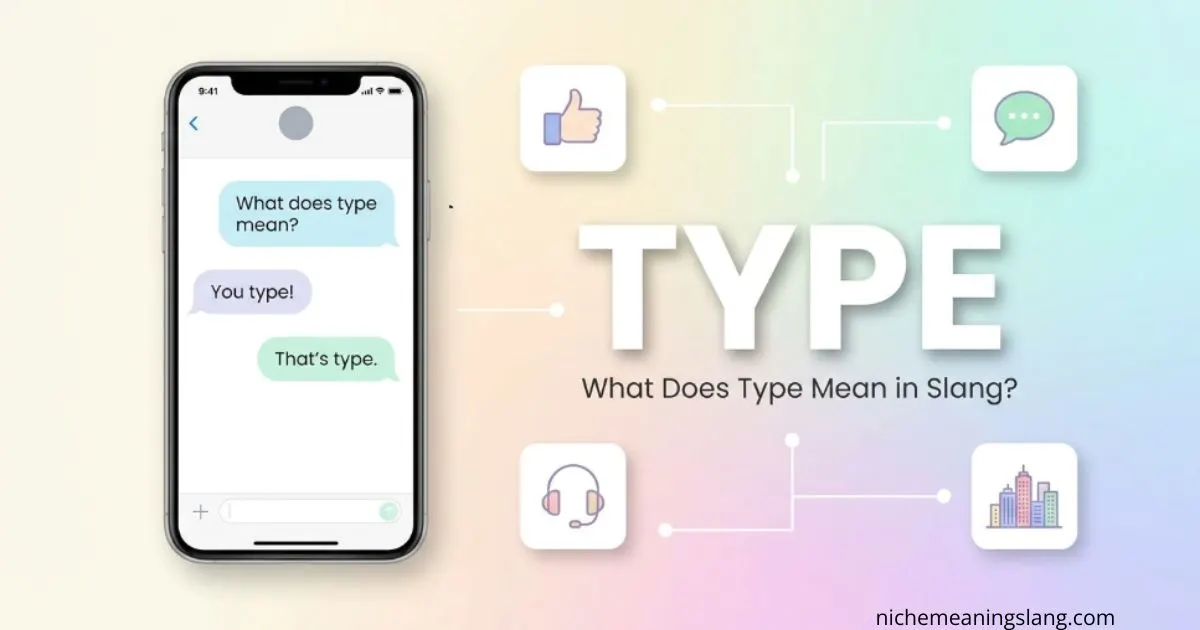
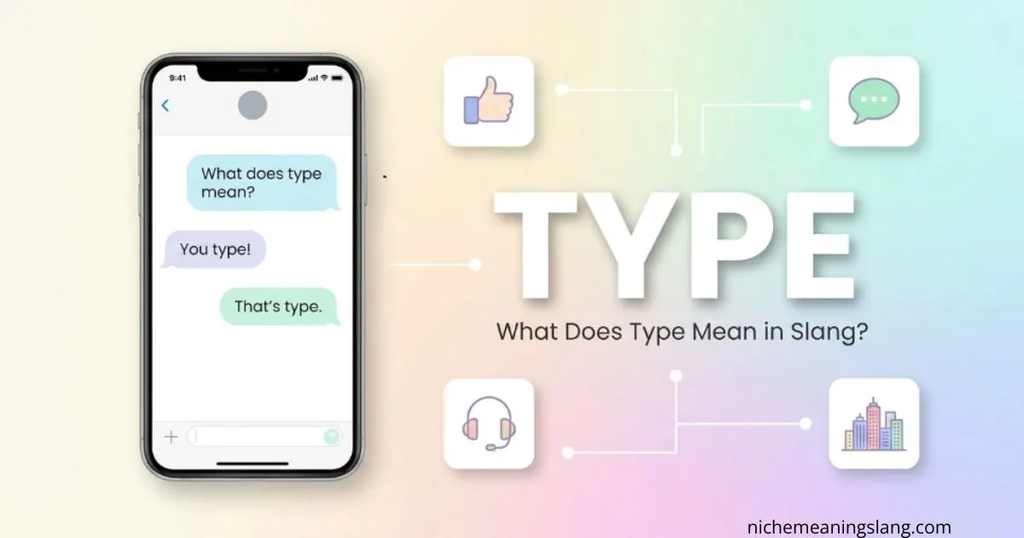
What does type mean in slang? In modern American texting and social media, “type” usually means a person, personality, appearance, style, or vibe someone prefers especially someone they find attractive. Expressions such as “you’re my type” and “not my type” are common in dating conversations, casual chats, TikTok comments, and online culture. The word itself is not new; its everyday slang use simply gives an ordinary English word a more personal meaning.
After researching how the expression appears across current slang-focused sources, one thing becomes clear: context matters. “My type” can suggest attraction, while “that’s my type” may simply express a strong preference. In newer internet language, related expressions such as “type shii” can carry a different meaning altogether. Understanding the surrounding conversation makes these small but important differences much easier to spot.
Meaning & Explanation of “Type” in Slang
In slang, type usually describes the kind of person someone naturally likes or finds attractive. That preference can involve personality, appearance, style, behavior, energy, or overall vibe. So when someone says “she’s my type,” they generally mean she fits their personal preferences or attraction pattern.
The expression is broader than physical attraction alone. Someone might prefer a funny personality, calm energy, artistic style, confident behavior, or a particular aesthetic. In that sense, my type, your type, and not my type function as quick ways to communicate personal taste without explaining every detail.
“Type” Meaning in Text
In texting, “type” normally points to attraction or preference. A message such as “he’s definitely my type” means the person matches what the speaker likes. Because texting removes facial expressions and vocal tone, the surrounding words, emojis, and conversation can help determine whether the message is serious, playful, or flirtatious.
Tone & Context Variations
The meaning of type can change considerably with tone. A romantic message such as “you might be my type” sounds flirtatious, while “that’s totally my type” about a movie, outfit, or song can simply express taste. Sarcasm can reverse the intended meaning, making context especially important.
Friends may also use “type” playfully when teasing someone about their dating habits. For example, if someone repeatedly likes quiet musicians, a friend might joke that musicians are their “type.” The phrase can therefore communicate attraction, humor, teasing, compatibility, or preference depending on the situation.
Romantic Tone
The romantic use is probably the easiest to recognize. If someone tells you “you’re my type,” they are generally saying that your appearance, personality, energy, or overall presence matches what they find attractive. The statement can be a straightforward compliment, subtle flirting, or an invitation to continue a romantic conversation.
Funny or Sarcastic Tone
In jokes and memes, “type” can become deliberately exaggerated. Someone might jokingly describe an obviously questionable dating preference as their “toxic type.” Sarcasm can also make “my type” mean the opposite of its literal wording, so the surrounding conversation matters more than the phrase by itself.
Real Chat Examples
Real conversations show why what does type mean in slang cannot be answered with one rigid definition. “She’s my type” usually communicates attraction, while “that aesthetic is my type” expresses taste. “You always date artists that’s your type” points toward a recurring personal preference.
Here are a few natural examples:
| Expression | Likely meaning |
| “She’s my type.” | I find her attractive or appealing. |
| “He’s not my type.” | He does not match my usual preferences. |
| “That’s exactly my type.” | I strongly like that person, style, or thing. |
| “You definitely have a type.” | You repeatedly prefer a certain kind of person. |
| “That outfit is my type.” | I really like that style. |
The safest interpretation is always contextual. If the conversation involves dating, “type” probably relates to attraction. If someone is discussing music, clothing, movies, or aesthetics, it may simply mean preference or taste.
Grammar & Language Role
Although people often call this usage slang, type remains an ordinary English noun. In expressions such as “my type” or “not my type,” the word identifies a category or kind of person that matches someone’s preferences. The slang element comes primarily from its casual, socially expressive use.
This explains why the expression feels natural in everyday American English. “She’s my type” is grammatically straightforward, while a shortened response such as “My type” can function conversationally as a complete answer. The expression is informal rather than a special acronym or abbreviation.
Formal vs Informal Use
The expression works naturally in texting, social-media comments, friendly conversations, and dating discussions. It is less appropriate for formal professional communication when discussing someone’s personal preferences. A more neutral phrase such as “personal preference” may be clearer in formal writing.
How to Reply When Someone Says “Type”
Your response should match the speaker’s tone. If someone says “you’re my type” flirtatiously, you can respond playfully. If a friend says “that’s your type” while teasing you, humor usually works better than a serious explanation. The key is recognizing whether the comment is romantic, friendly, sarcastic, or neutral.
For example, a flirty response could be “So, am I your type?” A neutral response might be “Fair enough.” Among friends, “You know me too well” keeps the conversation light. If the statement feels uncomfortable, you do not need to reciprocate the flirtation simply because someone used the phrase.
Flirty Reply
If someone says “you’re my type” and you are interested, a playful answer can keep the conversation going. “Maybe you’re my type too” is direct, while “Guess I have good taste” is more teasing. The best response depends on your relationship and how comfortable you feel.
Neutral Reply
When you do not want to flirt, simple responses such as “Got it,” “Fair enough,” or “Interesting” work well. You can acknowledge the comment without encouraging it. This is particularly useful when someone says “you’re my type” and you are unsure whether they are joking or expressing genuine attraction.
Comparison Table: Type vs Other Slang Terms
The word type overlaps with concepts such as vibe, aesthetic, taste, and preference, but they are not identical. “Type” usually points toward a person’s preferred category, while “vibe” describes an overall feeling and “aesthetic” is more closely associated with visual style.
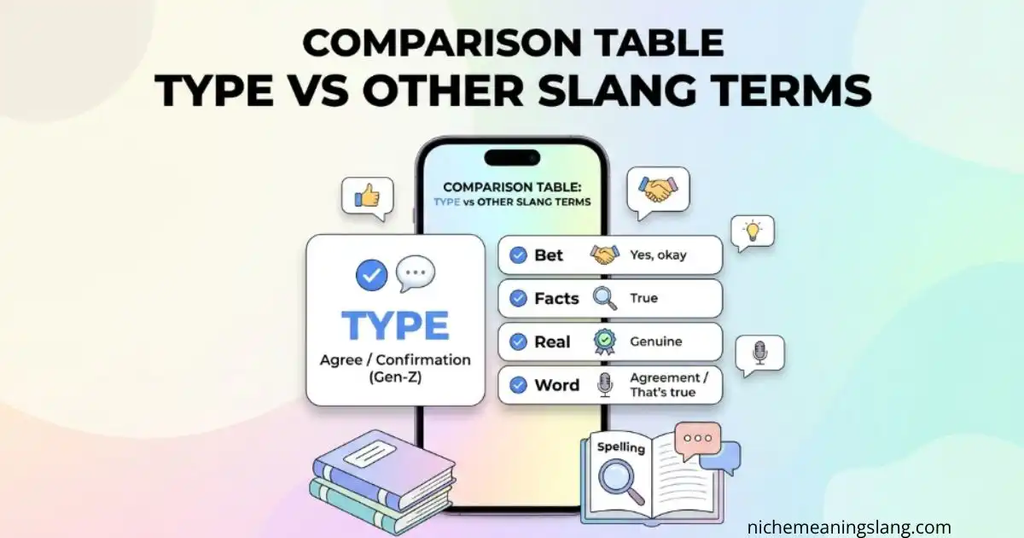
| Term | Common meaning | Typical context |
| Type | Preferred kind of person or thing | Dating, texting, casual chat |
| Vibe | Overall feeling or energy | Social media, conversation |
| Aesthetic | Visual style or look | TikTok, Instagram |
| Preference | Something someone generally favors | Everyday or formal English |
| Type shii | Often an agreement or relatable reaction | Internet slang |
This distinction helps prevent a common misunderstanding: type does not automatically mean romantic attraction. The surrounding noun or conversation can reveal whether the speaker means a person they like, a style they enjoy, or something that simply fits their taste.
Who Uses This Term?
“Type” is not restricted to one generation. Current slang-focused sources associate the expression especially with Gen Z and younger Millennials, while adults of many ages use “my type” naturally in dating and everyday conversation. The major difference is often tone rather than vocabulary.
The expression appears across TikTok, Instagram, Snapchat, WhatsApp, dating apps, and ordinary text messages. Social platforms encourage short, emotionally recognizable phrases, making “type” convenient for captions, comments, jokes, and conversations about attraction.
Gen Z vs Millennials
Gen Z tends to use “type” comfortably alongside memes, TikTok captions, emojis, and playful relationship language. Millennials may use it more traditionally in dating conversations. These are broad patterns rather than strict rules, because slang crosses generations quickly through social media and popular culture.
Origin & Internet Culture Insight
The underlying idea behind “my type” is much older than TikTok. English has long used type to describe a category or kind of person, and the expression “my type” naturally developed around personal preference and attraction. Modern internet culture has amplified how frequently people encounter it.
Dating apps, memes, short-form video, and social-media discussions have made it easy to talk about attraction in compressed language. A complicated description of someone’s preferences can become three simple words: “That’s my type.” The related expression “type shii” represents a newer internet usage with a different conversational function.
Safety & Appropriateness
The word type itself is not offensive or inherently inappropriate. However, telling someone “you’re not my type” can sometimes sound blunt because it directly evaluates personal attraction. The meaning may be harmless, but the emotional effect depends on the relationship, delivery, and circumstances.
In professional or formal settings, it is usually better to avoid casually labeling people according to romantic preferences. Among friends, on social media, or in dating conversations, the expression is generally normal. As with most slang, knowing your audience is more important than memorizing a single rule.
Conclusion
Why “Type” Is More Than a Trendy Word
So, what does type mean in slang? Most commonly, it means the kind of person, personality, appearance, style, or vibe someone prefers, especially when talking about attraction. “My type” suggests a match with someone’s taste, while “not my type” indicates that the person falls outside their usual preferences.
The important part is context. A dating conversation may make “type” clearly romantic, while a discussion about clothes, music, or aesthetics may simply involve personal taste. Once you recognize that difference, phrases such as “you’re my type,” “that’s your type,” and “not really my type” become much easier to understand and much easier to use naturally.
FAQs
What does “type” mean in text?
In text messages, type usually means the kind of person someone likes or finds attractive. It can also describe a personal preference, depending on the subject of the conversation.
What does “my type” mean?
“My type” generally means someone or something matches your personal preferences. When talking about dating, it usually means the person fits the qualities you find attractive.
What does “not my type” mean?
“Not my type” means someone does not match your usual romantic, physical, personality, or lifestyle preferences. It is not necessarily an insult, although saying it directly can sometimes hurt someone’s feelings.
Is “type” slang?
Type is an ordinary English word that is commonly used in casual or slang-like contexts. In expressions such as “my type,” the word retains its basic idea of a category while referring specifically to someone’s personal preference.
Is “type” only about physical attraction?
No. A person’s “type” can include personality, behavior, emotional qualities, aesthetic, lifestyle, energy, or physical appearance.
What does “type” mean on TikTok?
On TikTok, “type” commonly appears in content about attraction, crushes, dating preferences, aesthetics, and relatable relationship situations. Its exact meaning depends on the caption and surrounding content.
Is “type shii” the same as “my type”?
No. “My type” generally expresses preference or attraction. “Type shii” is a newer internet expression that can function more like agreement, relatability, or approval.
Is it rude to say “you’re not my type”?
Not inherently, but it can feel blunt. If you are rejecting someone’s romantic interest, softer wording may be more considerate, especially when you do not know the person well.
Related Slang Words

Ryan Mitchell is a language enthusiast and writer who explores slang, modern expressions, and everyday language. At nichemeaningslang, he helps readers understand slang meanings, usage, and context in a simple and easy-to-follow way.